
Introducing Fuzhou

Fuzhou embodies the quintessential ancient city. The Min River flows through the city, and within it lie three mountains (Wushan, Yushan, and Pingshan), creating a unique urban landscape characterized by "mountains within the city, and the city within the mountains." Infused with the spiritual energy of the mountains, Fuzhou, for over 2,000 years, has exuded a calm and vibrant presence, a smile of tranquility and peace. The melodious rhythms of ancient slate, the shimmering greenery of mountains and lakes, the chime of ancient temple bells, and the delightful delights of delicious food—this is Fuzhou. Fuzhou residents have always believed in the saying, "Strolling around, you never leave Fuzhou." Whether the Fuzhou people are unmotivated or the city itself lacks innovation, Fuzhou itself is a slow-paced city, a place perfect for leisurely afternoon strolls and lingering through its streets and alleys.
Gushan: Gushan boasts stunning scenery and has long been a major Buddhist destination in Fuzhou. Located in a mountain basin at an altitude of approximately 450 meters southwest of the summit, the Yongquan Temple, boasting over 1,000 years of history, is a magnificent temple with an ingenious layout, evoking the unique aesthetic of "entering the mountain without seeing the temple, and entering the temple without seeing the mountain." Nearby stands the Thousand Buddha Pagoda, a rare ceramic pagoda in China.
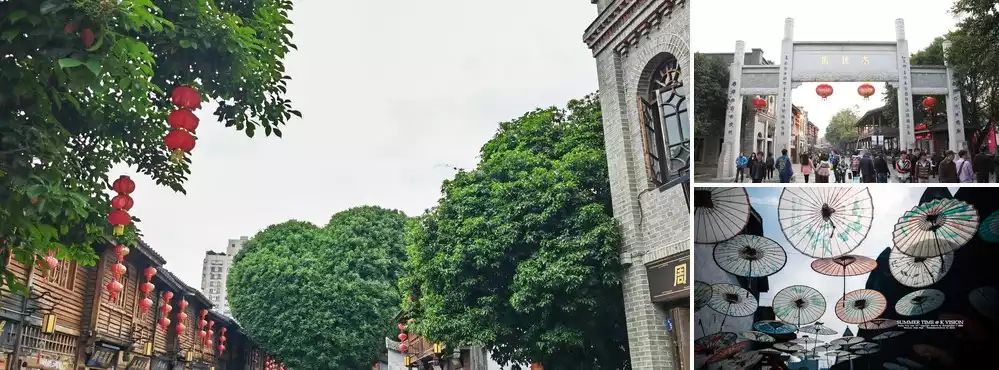
Three Lanes and Seven Alleys: The Three Lanes and Seven Alleys, a network of stone-paved streets, white-walled tiled houses, and curving gables, are a "Museum of Ming and Qing Architecture" and a "living fossil of the urban lifang system." It's best to visit on a rainy day, step onto the cobblestone paths, follow the clattering of footsteps, and lose yourself in a dreamlike state amidst the hazy mist.
Qingyun Mountain: Covering over 50 square kilometers, it boasts nine peaks exceeding 1,000 meters, with nine streams weaving through its canyons. It is divided into four scenic areas: Qinglong Waterfall, Yuntian Stone Corridor, Baima Canyon Waterfall, and Jiutian Waterfall Water Curtain Palace. Amidst the overlapping peaks, mountains and rivers intertwine, and the aura of nature emerges layer by layer.
Best time to travel
The best seasons to visit Fuzhou are autumn and winter, when the sun shines brightly, trees grow evergreen, and the scenery is reminiscent of a southern country. The city also boasts enticing hot springs, making it a perfect setting for travelers from northern China. Visit attractions like Yongquan Temple, Yongtai Qingyun Mountain, and the Hot Spring Park.
Clothing Index
Fuzhou's autumn (October-November) boasts pleasant weather and clear skies, making it the most sunny season of the year. Light clothing or a thin sweater is sufficient. Winter (December-February) is the driest season of the year, with relatively low temperatures, but not as cold and dry as northern winters. A slightly thicker sweater or jacket is sufficient. Spring is the rainiest season of the year in Fuzhou, with March and April experiencing the continuous spring rains. While the rainfall is generally light, the temperature fluctuates greatly, so woolen sweaters, cotton trousers, and jackets are recommended. Fuzhou's summer is primarily sunny, with some areas experiencing extremely high temperatures in July and August, so be sure to wear cool, breathable clothing. Typhoon season is also a frequent season, so avoid going out when a typhoon approaches and stay indoors until the typhoon warning is lifted.
Consumer Index
Fuzhou's cost of living is not high, with restaurant prices ranging from 20 to 100 yuan per person. Accommodation options include high-end hotels ranging from 500 to 1,200 yuan, mid-range hotels from 300 to 450 yuan, and budget hotels from 150 to 270 yuan, offering a wide range of accommodation options.
Top 5 must-see attractions in Fuzhou
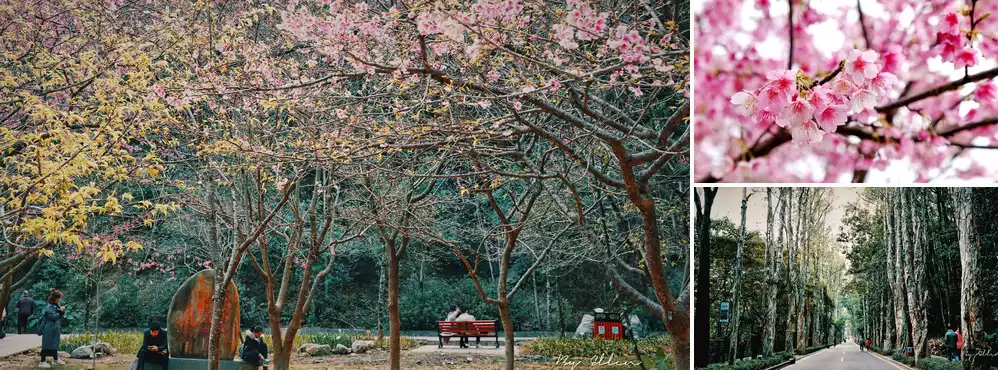
2. Fuzhou National Forest Park
One of the six 4A scenic spots in Fuzhou, the park is surrounded by green mountains on three sides and has a high content of negative oxygen ions.
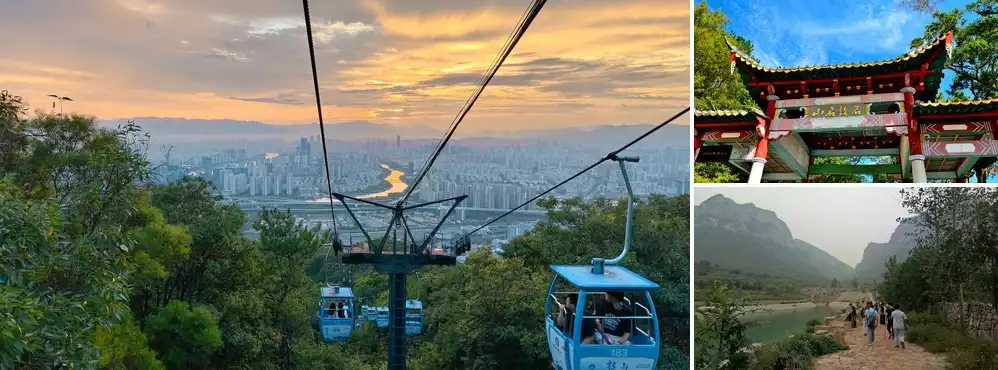
4. Gushan Scenic Area
A beautiful mountain with serene forests and valleys. From the top you can see the panoramic view of Fuzhou.