龙兴寺
What are the most recommended things to do in Longxing Temple?
- Visit the main hall to admire the grand architecture and the Buddhist statues inside.
- Explore the tranquil courtyards and the surrounding gardens for a peaceful atmosphere.
- Take part in a traditional Buddhist ceremony or prayer session, if available during your visit.
- Learn about the history and significance of the temple at the on-site museum.
- Enjoy the views from the temple grounds, which offer scenic vistas of the surrounding landscape.
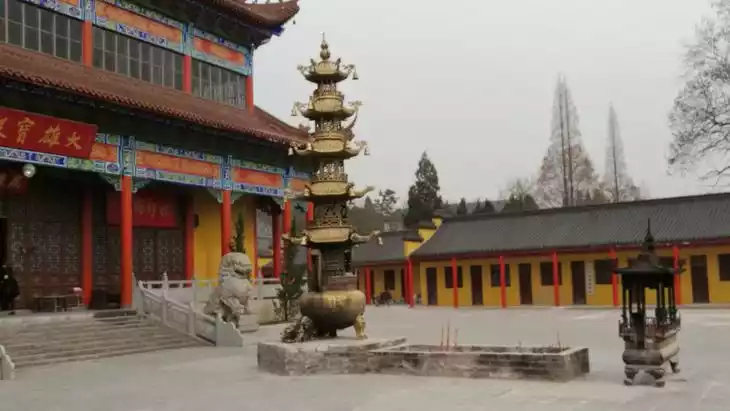
龙兴寺介绍
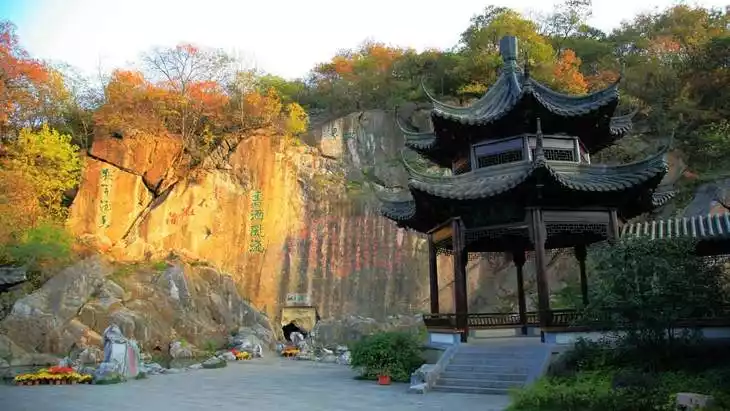
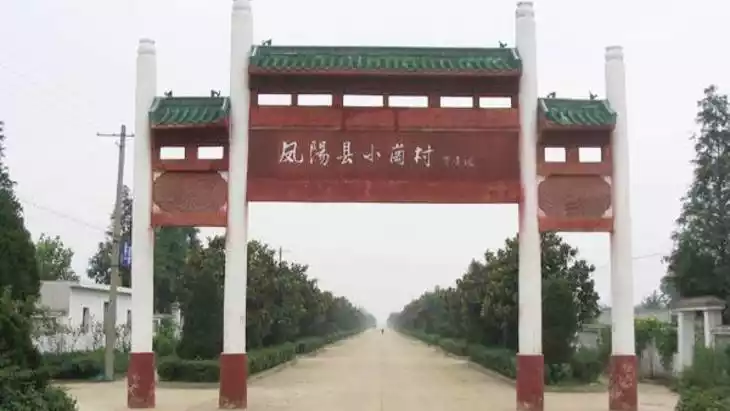
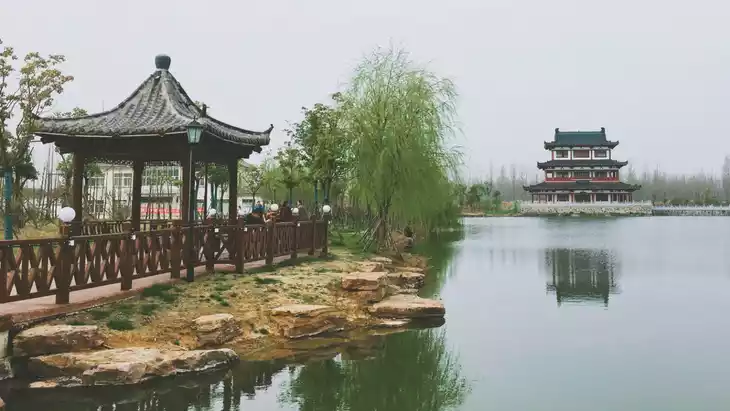
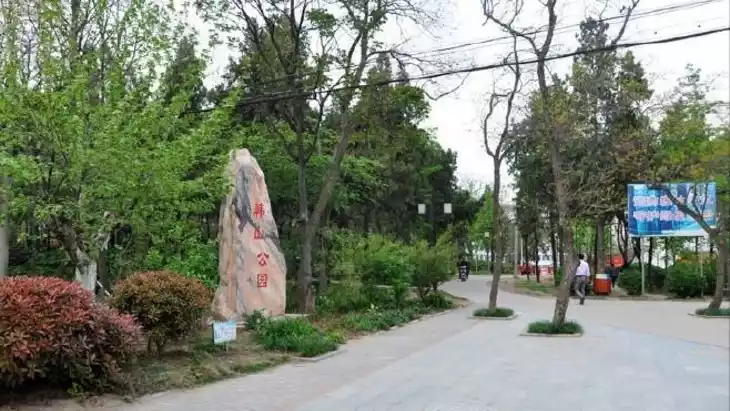
龙兴寺,位于安徽省凤阳县城北凤凰山日精峰下,为洪武十六年(公元1383年)明朝开国皇帝敕建,是明朝皇家寺庙。1981年被列为安徽省重点文物保护单位,现在龙兴寺是全国重点开放寺院,被评为国家AAA级风景区。
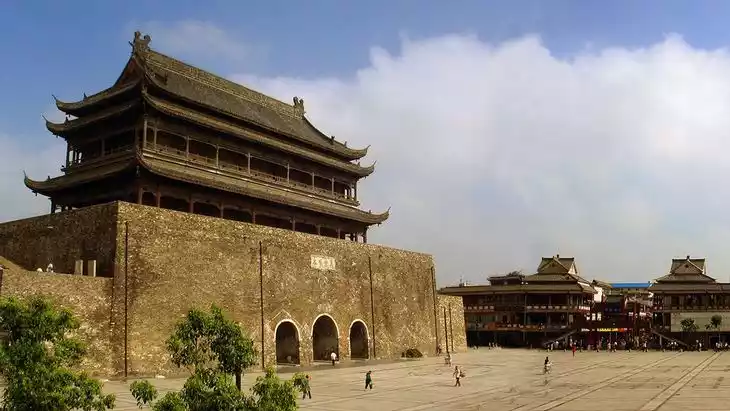
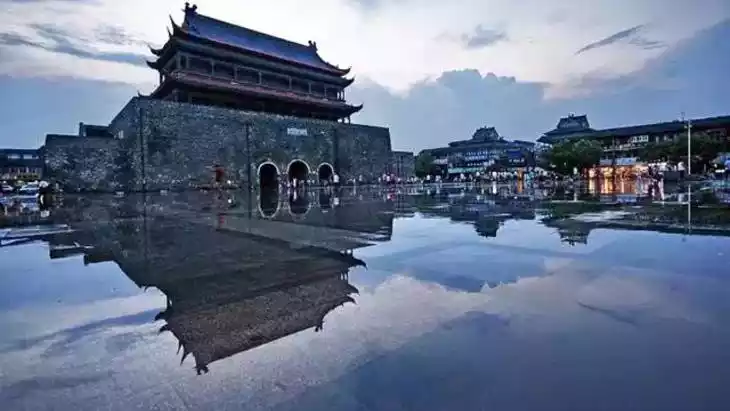
寺初建之时,规模宏大,占地1282.5亩,向有“僧童骑马关山门”之说,寺由中都名匠营建,雕刻精细,规制宏传,等级甚高,是中都城的重要建筑之一。
寺宇楼阁规模极为宏丽壮观。据《大明洪武实录》载,有佛殿、法堂、僧舍之属凡三百八十一间。加之朱元璋御制龙兴寺碑文,御书“第一山”碑,更加增加了龙兴寺威严。
当时有人描写这里是“梵刹西连万岁山”,“梵王宫殿屹浮寰”。 寺内原藏有朱元璋画像、铁像及铜佛、铜镬、铭文铁罄,并有御书亭一座,亭内有明太祖“第一山”手书石碑。
气候和最佳旅行时间
北亚热带季风气候;龙兴寺经过600余年的风雨沧桑,现已成为江淮一带重要的佛教寺庙,四季皆宜出游。
建议游览天数和景点
六角亭、龙兴古刹牌楼;
建议游玩1-2小时
门票
20元/人
景点开放时间
08:00-18:00(夏 季);08:00-17:30(冬季)
龙兴寺热门旅游问答
What is the history and significance of this attraction/city?
Longxing Temple, also known as Longxing Monastery, is a historically significant Buddhist temple with a history dating back over 1,000 years. It has been an important center of Buddhist culture in Anhui, serving as both a religious site and a place of pilgrimage. The temple houses significant Buddhist relics and provides insight into traditional Chinese temple architecture.
Where is it located and how do I get there (metro, bus, taxi, walking)?
Longxing Temple is located in Chuzhou, Anhui. It can be reached by taxi or private car from the city center. Public buses also serve the area, and it is a short walk from the nearest bus stop. The temple is not accessible by metro, as the nearest station is some distance away.
What are the opening hours and best times to visit?
The temple is open daily from 8:00 AM to 5:00 PM. The best time to visit is in the early morning or late afternoon to avoid crowds, especially during weekends and public holidays. The temple is quieter and more serene during weekdays.
What is the entrance fee/ticket price, and how to buy tickets (online/offline)?
The entrance fee to Longxing Temple is approximately ¥30-¥50. Tickets can be purchased directly at the temple entrance, though it is recommended to check online for any updates regarding advanced booking options.
Do I need to book tickets in advance, and how far in advance?
It is generally not necessary to book tickets in advance for Longxing Temple, as it is not usually crowded. However, during peak seasons or for special events, it is advisable to book tickets online at least a day or two in advance to guarantee entry.
How much time is needed to fully explore it?
You will need approximately 1 to 2 hours to fully explore Longxing Temple, including visiting the main hall, walking through the courtyards, and exploring the surrounding gardens and historical sites.
What are the must-see highlights or main areas inside?
- The main hall, which features impressive Buddhist statues and intricate artwork.
- The peaceful courtyards and garden areas surrounding the temple.
- The ancient pagoda and the surrounding structures that offer a glimpse into the temple's long history.
- The Buddhist museum, which provides deeper insights into the temple's cultural and religious significance.
Are guided tours or audio guides available (and in which languages)?
Guided tours are available in Mandarin. Audio guides in Mandarin and English are typically available for rent, offering valuable historical context and information about the temple and its significance.
What are the best viewpoints or photography spots?
- The main hall’s elevated platform provides panoramic views of the surrounding temple grounds.
- The ancient pagoda offers great photo opportunities, especially during sunset or sunrise.
- The serene courtyards and gardens are perfect for tranquil, nature-filled photos.
What is the recommended route or itinerary inside?
Start by visiting the main hall, then explore the surrounding courtyards and gardens. Afterward, visit the ancient pagoda and the Buddhist museum. End your visit with a peaceful walk around the temple’s outer grounds.
Are night visits, light shows, or special tours available?
Currently, Longxing Temple does not offer night visits or light shows. However, special tours and events may be available during Buddhist festivals or holidays, so it is recommended to check ahead for any special activities.
Is it crowded, and when are the least crowded times/days to visit?
The temple can get crowded during weekends and public holidays, especially during major Chinese festivals. To avoid the crowds, visit during weekdays, particularly in the early morning or late afternoon hours.
What facilities are available (toilets, food, water, rest areas, shops)?
Basic facilities such as toilets, water stations, and rest areas are available. There are a few small shops near the temple where visitors can buy religious items, souvenirs, and snacks.
Is the attraction accessible for elderly, children, or disabled visitors?
The temple grounds are mostly accessible for elderly and children, with paved paths leading through the main areas. However, certain sections may be difficult for visitors with mobility issues, especially the pagoda, which requires climbing stairs.
Is cash needed or are cards/mobile payments accepted?
Cash is still commonly used at the temple, but mobile payments such as Alipay and WeChat Pay are also accepted. Credit cards are generally not accepted, so it's best to carry cash or use mobile payment options.
What restaurants or cafes are available inside or nearby?
There are a few local restaurants around the temple offering traditional Chinese meals. For more dining options, you may need to head to the city center, where there are a variety of eateries.
Are there vegetarian/vegan/halal food options?
Vegetarian food options are available at local restaurants near the temple, particularly those offering Buddhist vegetarian cuisine. Vegan and halal options may be limited, so it’s best to inquire with restaurants in advance.
What hotels or accommodations are close to the site?
- Nearby hotels in Chuzhou offer a range of options from budget to mid-range accommodations.
- For a more comfortable stay, consider hotels near the city center or close to major transportation hubs.
What other attractions or landmarks are nearby and easy to combine in a day trip?
- The Chuzhou Museum and the Ancient City Wall of Chuzhou are nearby attractions worth visiting.
- The Shitai Mountain and other historical temples in the region can be combined for a day trip.
Are there souvenir shops and what are the typical souvenirs?
Yes, there are small souvenir shops selling Buddhist artifacts, religious items, and traditional Chinese crafts. Popular souvenirs include incense, prayer beads, and small statues of Buddhist figures.
What are the best transportation options to continue the trip after visiting?
The best transportation options to continue your trip include taxis, private cars, or local buses that can take you to nearby attractions or the city center for further travel.