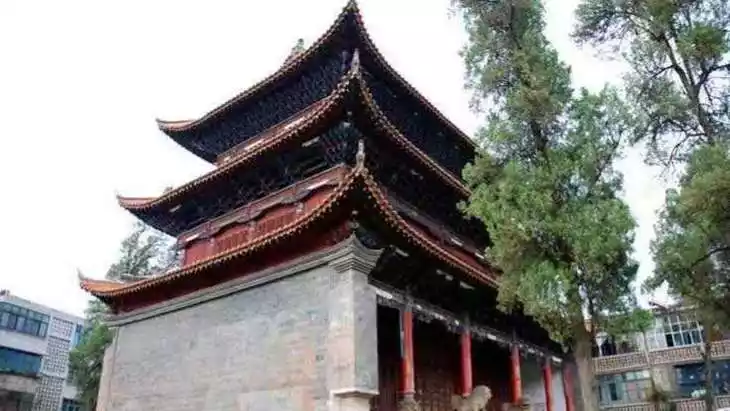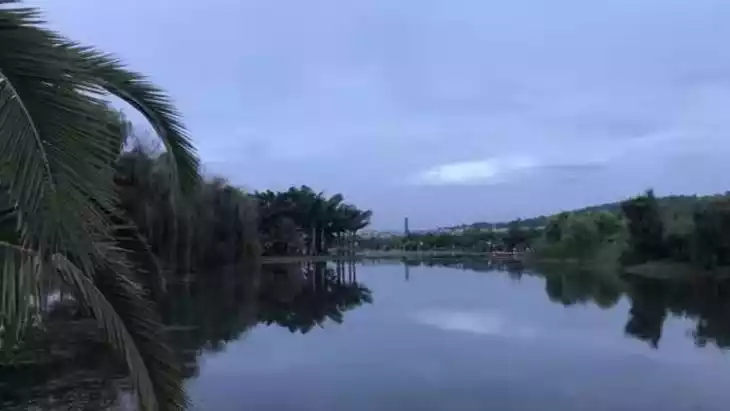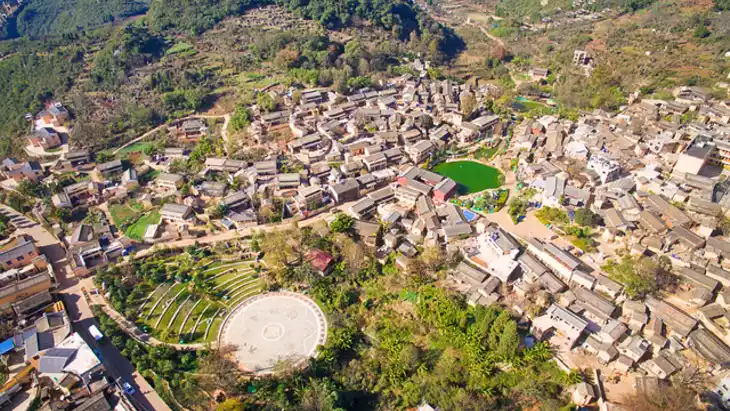
弥勒
在弥勒寺最值得推荐的活动有哪些?
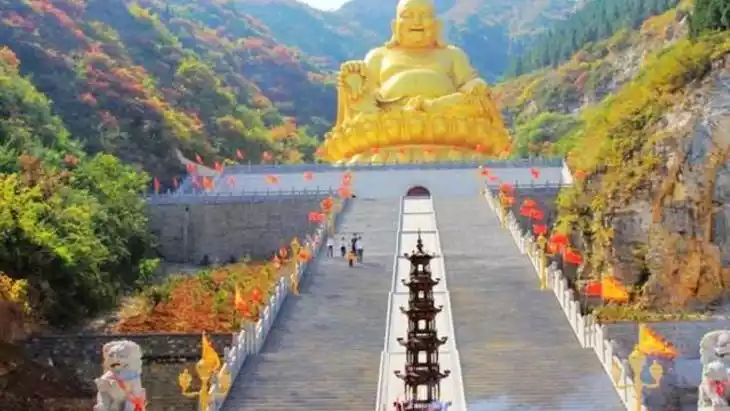
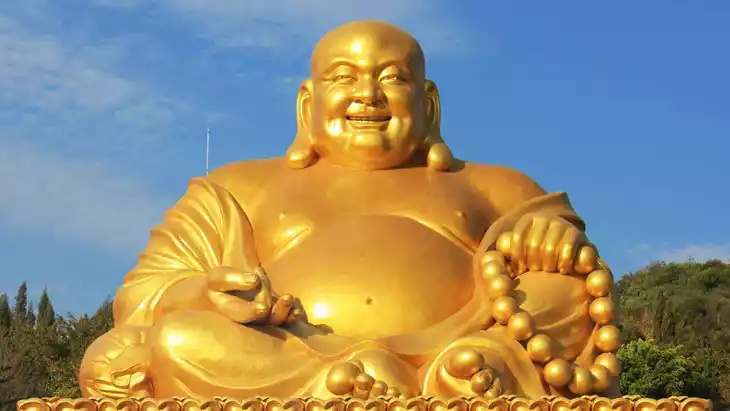
- 参观弥勒佛像,它是该地区最大的佛像之一,感受它的雄伟壮丽。
- 探索周围的寺庙和佛龛,深入了解佛教文化和建筑。
- 在红河谷周围进行风景优美的徒步旅行,欣赏美丽的自然风光。
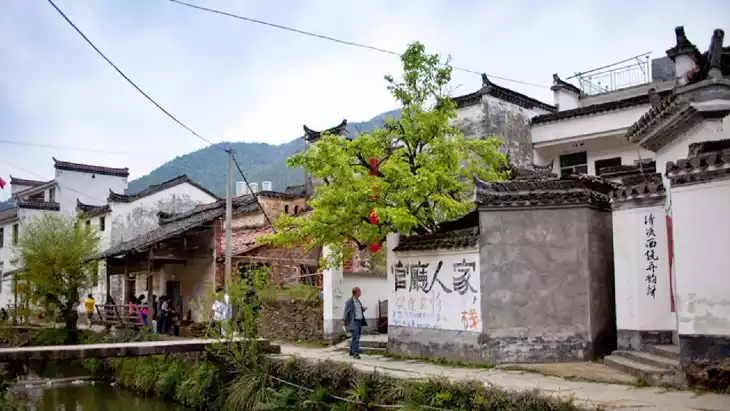
- 走访当地村庄,体验地道的云南文化,并与当地居民互动交流。
- 如果条件允许,可以参加佛教仪式,体验当地的精神修行方式。
弥勒介绍
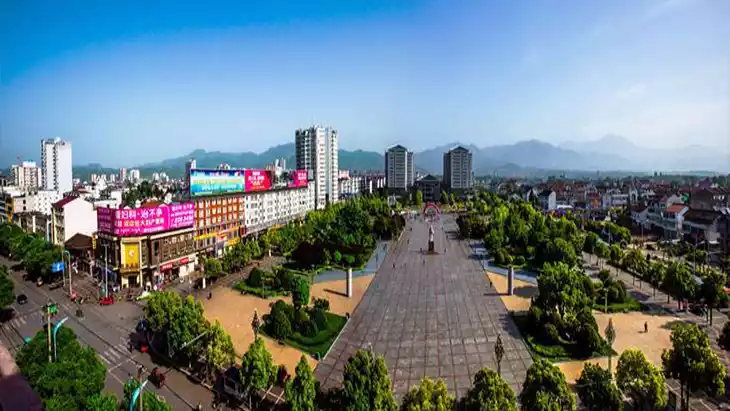
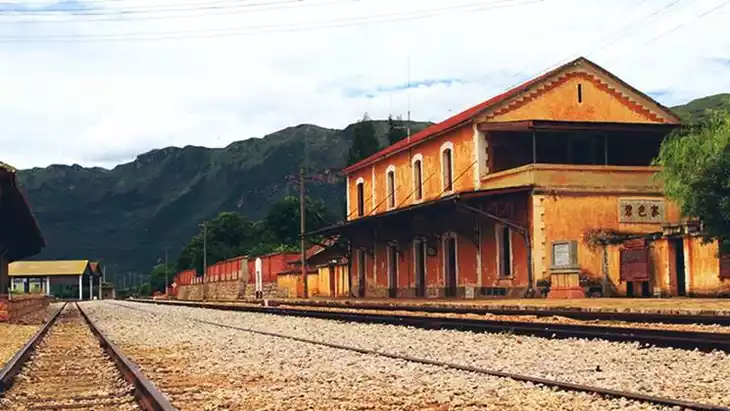
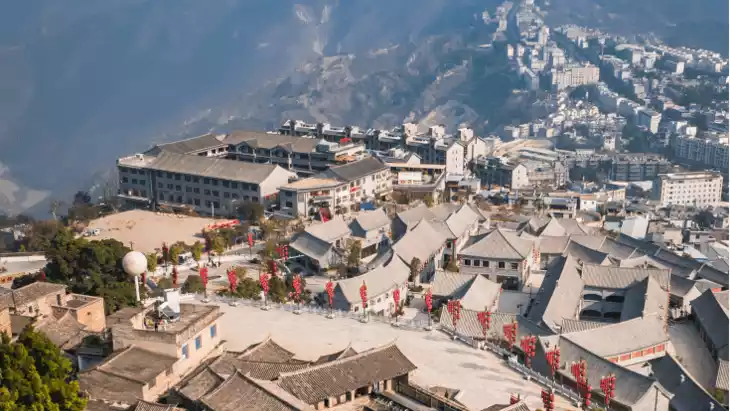
弥勒市是云南省红河哈尼族彝族自治州下辖县级市,位于云南省东南部、红河州北部。是红河州“北大门”,南抵国家级开放口岸河口316公里,市内交通四通八达,昆河公路纵贯腹地93公里,滇越铁路沿西境跨越78公里,有G80广昆高速公路、高铁南昆客运专线经过。 2013年1月,经国务院批准,民政部批复:撤销弥勒县,设立县级市弥勒市,由云南省直管,红河州代管。市人民政府驻弥阳镇。截至2012年末,弥勒市辖10个镇、2个乡,总人口为527767人。弥勒热门旅游问答
这个景点/城市的历史和意义是什么?
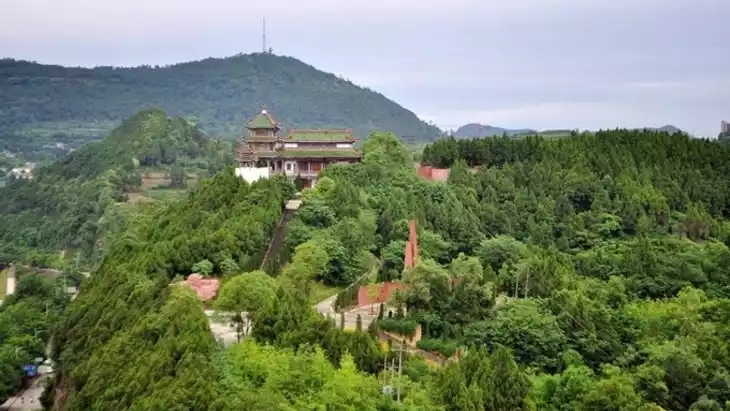
弥勒地区因矗立着宏伟的弥勒佛像而意义非凡。该地区佛教底蕴深厚,对当地居民具有重要的精神意义。它是云南省重要的朝圣地和文化圣地,以其宁静祥和的氛围和浓郁的宗教气息吸引着众多游客。
它位于哪里?我该如何到达那里(地铁、公交、出租车、步行)?
弥勒寺位于中国云南省红河附近。从大理、昆明等周边城市可乘坐私家车或出租车前往。由于当地公交车数量有限,自驾是大多数游客最便捷的选择。
开放时间是什么?最佳参观时间是什么时候?
该景点全年开放。最佳游览时间是春季(3月至5月)和秋季(9月至11月),此时气候温和,游客也相对较少。
入场费/门票价格是多少?如何购票(线上/线下)?
The entrance fee to visit the Maitreya Buddha statue and surrounding temples is typically around 30-50 CNY (approximately 5-8 USD). Tickets can be purchased on-site at the entrance, though some online ticketing options may be available during peak tourist seasons.
Do I need to book tickets in advance, and how far in advance?
It is not mandatory to book tickets in advance for regular visits. However, if you are planning to visit during major holidays or want a guided tour, it is advisable to book tickets 1-2 weeks in advance.
How much time is needed to fully explore it?
You should allocate about 2-3 hours to fully explore the Maitreya Buddha statue, surrounding temples, and the scenic spots. If you plan to visit the nearby villages or participate in local cultural activities, you may want to add another 2-3 hours.
What are the must-see highlights or main areas inside?
- The impressive Maitreya Buddha statue, which stands as the main highlight.
- The surrounding temples and shrines, where you can learn about Buddhist practices and history.
- The Red River Valley, offering stunning views and walking paths.
Are guided tours or audio guides available (and in which languages)?
Guided tours are available in Chinese and English. Audio guides may be offered in Mandarin, but availability may depend on the season and demand. It's best to check with the local tour operators in advance.
What are the best viewpoints or photography spots?
- The Maitreya Buddha statue offers an excellent photography opportunity with the stunning background of the Red River Valley.
- The surrounding temple complex also provides great photographic opportunities, especially during the early morning or late afternoon light.
What is the recommended route or itinerary inside?
Start your visit by exploring the Maitreya Buddha statue and taking photographs. Then, proceed to the nearby temples for a deeper understanding of the Buddhist heritage. End the visit with a scenic walk along the Red River, enjoying the serene natural beauty.
Are night visits, light shows, or special tours available?
Currently, there are no light shows or special night tours at Maitreya. However, if you're interested in spiritual experiences, you may be able to attend an evening Buddhist ceremony if available, depending on the time of your visit.
Is it crowded, and when are the least crowded times/days to visit?
Maitreya tends to be less crowded on weekdays, especially during the low season (November to February). It can get crowded during Chinese New Year and other major holidays, so it's best to visit during off-peak periods for a more peaceful experience.
What facilities are available (toilets, food, water, rest areas, shops)?
The area has basic facilities such as toilets, rest areas, and water stations. Shops near the temples sell local crafts and souvenirs. There are some local food stalls offering snacks, but for a more substantial meal, you might want to head to nearby towns.
Is the attraction accessible for elderly, children, or disabled visitors?
The main areas around the Maitreya Buddha statue are accessible for elderly visitors and children, though some of the paths and temple areas may require moderate walking. However, the more rugged paths leading to the best viewpoints may not be suitable for those with mobility issues.
Is cash needed or are cards/mobile payments accepted?
While cash is accepted, mobile payments such as WeChat Pay and Alipay are commonly used in the area, especially for smaller purchases. Credit cards may not be widely accepted, so it's a good idea to carry cash or use mobile payment options.
What restaurants or cafes are available inside or nearby?
There are a few local restaurants offering Yunnan cuisine near the Maitreya Buddha site, including rice dishes, noodles, and tofu. For more options, you can head to Red River or Dali, where more extensive restaurant selections are available.
Are there vegetarian/vegan/halal food options?
Vegetarian and vegan food is available at some of the local eateries. Halal food options are limited in this area, so it’s advisable to confirm with the restaurant in advance if you have specific dietary needs.
What hotels or accommodations are close to the site?
There are several guesthouses and hotels near Maitreya, including basic accommodations and more comfortable options in Dali or Kunming, which are a short drive away. The Yunnan Province also offers eco-friendly accommodations for nature lovers.
What other attractions or landmarks are nearby and easy to combine in a day trip?
- Red River Valley offers great views and natural beauty.
- Erhai Lake near Dali, a beautiful freshwater lake with scenic views.
- Shibaoshan Mountain, a UNESCO World Heritage Site known for its ancient Buddhist rock carvings.
Are there souvenir shops and what are the typical souvenirs?
Yes, there are souvenir shops selling traditional Yunnan crafts, including wooden carvings, Buddhist sculptures, and handmade textiles. Local tea is also a popular souvenir.
What are the best transportation options to continue the trip after visiting?
The best transportation options after visiting Maitreya are private vehicle or taxi to nearby attractions or towns. For longer trips, buses or trains from Dali or Kunming can be used to continue exploring Yunnan Province.