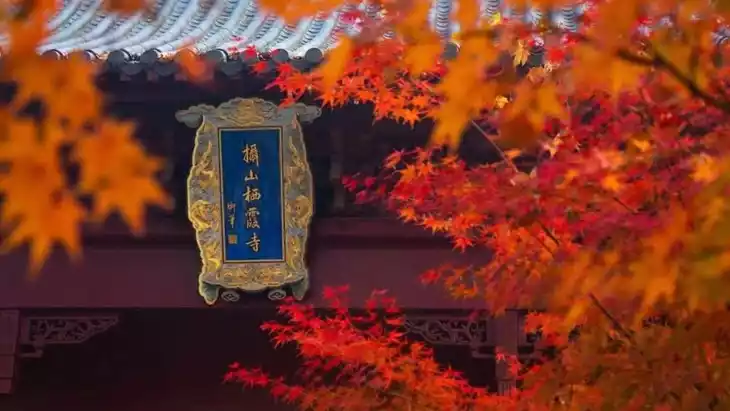
清凉寺
在青梁寺最值得体验的活动有哪些?
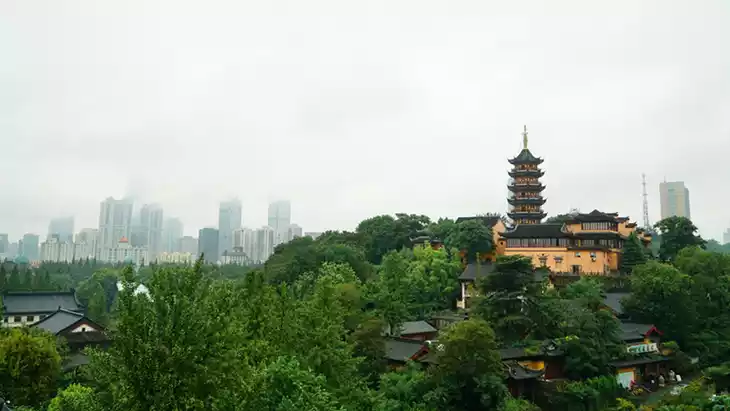
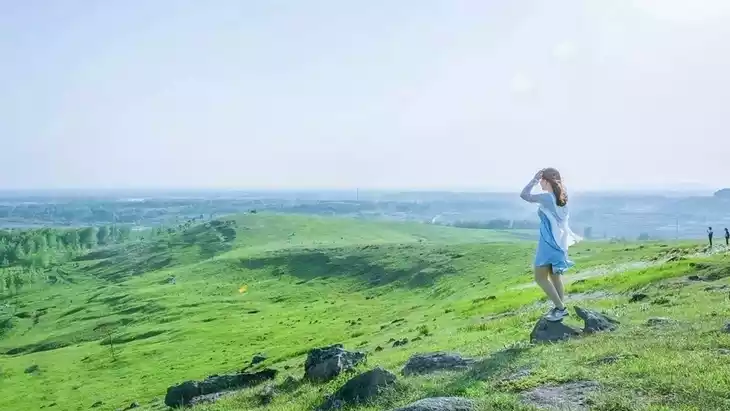
在清凉寺,游客可以欣赏寺庙的历史建筑,参与冥想活动,并享受宁静祥和的环境。攀登附近的山丘,可以俯瞰寺庙和南京市的秀丽景色。寺庙静谧的环境使其成为沉思和摄影的理想场所。
清凉寺介绍
清凉寺位于江苏省南京市鼓楼区,始建于南唐时期,李昪到清凉山避暑,改名为“石头清凉大道场”,高僧文益禅师居住在寺内,创建中国佛教禅宗五家之一的法眼宗。唐僖宗中和四年(884年)命名为兴教寺。明初称清凉寺,沿用至今。寺原有规模较大,寺内建筑屡毁屡复,佛殿为清末所建。成语“解铃还须系铃人”就出自于清凉寺。
清凉寺是南唐金陵首刹、南京市市级文物保护单位、法眼宗祖庭,也是禅宗五家七派之中,祖庭尚未恢复的道场。 [
2014年4月,清凉寺着手恢复,根据现存历史资料,崇古遵今,拟依次恢复山门、天王殿、南唐还阳井景观、法眼宗纪念馆(大殿)。
气候和最佳旅行时间
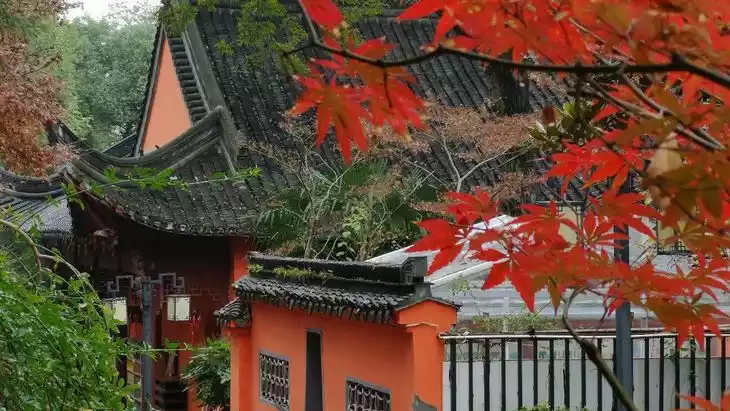
亚热带季风性气候,清凉山兰苑地块进行了发掘,发掘面积950多平方米,基本完成清凉寺明代、清代建筑遗存的发掘,院内种植了枫叶适宜夏季避暑,秋季观赏枫叶。
建议游览天数和景点
扫叶楼
扫叶楼在西侧山坡上,是座三开间二层翘角木结构建筑,为龚贤旧居,始建于1664年,明清式样,砖木结构,覆小瓦,长约25米,宽约16米,建筑面积约400平方米,占地面积约270平方米。龚贤(1619~1689年),字半千,明末清初著名画家、诗人,明亡后在清凉山定居。他曾作自画像,手执扫帚作扫落叶状,因之称扫叶楼。
崇正书院
崇正书院清凉寺东侧山坡上,明嘉靖年间修建。书院共三进,前两进两侧有游廊相连,第三进称“清凉胜境”,是一座高6米、宽16米、深20米的重檐翘角古建筑,殿前有水池与石刻的流水龙头,西侧是二层的“江天一线阁”,东侧有假山、水池、六角亭。后崇正书院辟为中华奇石馆。馆东边有驻马坡、翠薇园等景点。
建议游玩2个小时左右。
门票
免费
景点开放时间
全天开放
清凉寺热门旅游问答
这个景点/城市的历史和意义是什么?
清凉寺始建于唐代,是南京重要的佛教圣地。历经数个世纪的修缮,寺庙虽经多次翻修,但至今仍具有重要的文化和精神意义。清凉寺环境优美,宁静祥和的氛围和佛教仪式吸引着众多信徒前来参观。
它位于哪里?我该如何到达那里(地铁、公交、出租车、步行)?
清凉寺位于江苏省南京市南部。从市中心可乘坐出租车或公交车前往。最近的地铁站距离寺庙也只有很短的车程。如果您喜欢漫步欣赏美景,也可以从附近的景点步行前往。
开放时间是什么?最佳参观时间是什么时候?
寺庙每日上午8点至下午5点开放。为避开人潮,最佳参观时间为工作日或清晨。春季和秋季是户外活动和寺庙参拜的最佳季节。
入场费/门票价格是多少?如何购票(线上/线下)?
清凉寺免费入场。部分特殊活动或仪式可能需要少量费用,可在现场支付。欢迎捐款以支持寺庙的维护。
我需要提前预订机票吗?需要提前多久预订?
No, booking tickets in advance is not required for general entry. However, if you plan to participate in special events or tours, it is recommended to book at least a few days in advance.
How much time is needed to fully explore it?
Exploring Qingliang Temple and its surrounding area will take about 1.5 to 2 hours. If you plan to hike or meditate in the surrounding park, you may need an additional 1 hour.
What are the must-see highlights or main areas inside?
The must-see areas include the main hall of Qingliang Temple, where Buddhist rituals are held, and the tranquil gardens surrounding the temple. The panoramic views of Nanjing from the nearby hills are also a highlight.
Are guided tours or audio guides available (and in which languages)?
Guided tours are available in Mandarin, and some tours may offer services in English upon request. Audio guides in various languages may also be available for rent on-site.
What are the best viewpoints or photography spots?
The best photography spots are from the temple's front steps, where you can capture views of the temple complex and surrounding nature. The hilltop also provides a great view of the city of Nanjing.
What is the recommended route or itinerary inside?
Start by visiting the main hall of the temple, then explore the surrounding gardens. Hike up the nearby hill for a panoramic view of the temple and the city. End the visit by relaxing in the peaceful atmosphere of the temple grounds.
Are night visits, light shows, or special tours available?
There are no night visits or light shows at Qingliang Temple. However, the temple may host special events or ceremonies during certain times of the year, so it's worth checking the schedule ahead of your visit.
Is it crowded, and when are the least crowded times/days to visit?
Qingliang Temple can get crowded on weekends and public holidays. To avoid the crowds, visit during weekdays, especially in the early morning hours or during the off-season in winter or late autumn.
What facilities are available (toilets, food, water, rest areas, shops)?
Basic facilities such as toilets and rest areas are available. There are a few local food stalls around the temple, offering snacks and drinks. No large restaurants or extensive shopping areas are located within the temple grounds.
Is the attraction accessible for elderly, children, or disabled visitors?
The temple is accessible for elderly visitors and children, although the surrounding hills may be challenging for those with mobility issues. The main temple area is wheelchair accessible, but some trails may not be suitable for wheelchairs.
Is cash needed or are cards/mobile payments accepted?
While cash is accepted, mobile payment options such as WeChat Pay and Alipay are widely used. Credit cards are also accepted in some areas.
What restaurants or cafes are available inside or nearby?
寺庙附近有一些小吃摊,提供当地特色小吃、茶水和饮品。如果想品尝更多美食,可以前往不远的南京市中心,那里有很多餐厅。
是否有素食/纯素食/清真食品可供选择?
附近餐馆提供素食选择,部分餐馆可能提供纯素菜肴。南京部分餐厅提供清真食品,但寺庙附近没有。
景点附近有哪些酒店或住宿?
市中心附近有各种各样的酒店,从经济型到豪华型应有尽有。一些风景优美的酒店位于寺庙和周边公园附近。
附近还有哪些其他景点或地标,可以安排在一日游行程中?
附近景点包括南京长江大桥、南京博物馆和中华门。这些景点都可以在同一天内游览完毕,只需短途驾车或乘坐出租车即可。
这里有纪念品商店吗?有哪些常见的纪念品?
寺庙附近有一些小型纪念品商店,出售佛教文物、香、茶以及绘画、陶器等当地手工艺品。
参观结束后,继续旅程的最佳交通方式是什么?
从清凉寺出发,您可以乘坐出租车或公交车前往南京其他地区。南京地铁也方便您前往市内许多其他景点。