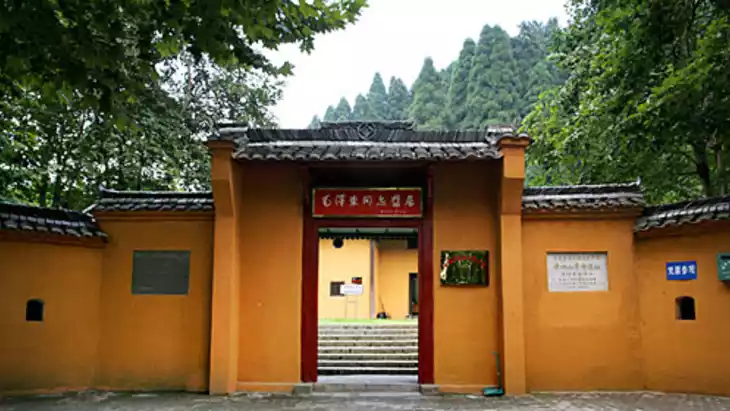
黄洋界保卫战纪念碑
黄羊街防御战遗址最值得体验的活动有哪些?
参观纪念碑和纪念碑,漫步于保存完好的战壕、哨所遗址和红军旧工事,阅读毛泽东和朱德的题词,欣赏隘口和周围群山的壮丽景色,并拍摄全景和山脊森林的照片。还可以将行程与井冈山风景名胜区的附近革命遗址和自然步道结合起来游览。
黄洋界保卫战纪念碑介绍
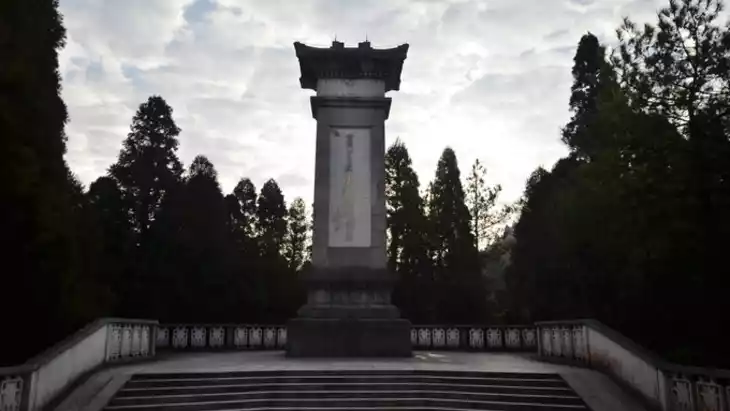
黄洋界保卫战纪念碑位于井冈山黄洋界景区内,为了纪念黄洋界保卫战的伟大胜利,1960年10月,井冈山人民在黄洋界建造了一座纪念碑,木质结构。
1965年冬,井冈山管理局在木质碑的原址上重新修建了一座钢筋水泥结构的纪念碑,碑的正面是毛泽东手书《西江月 井冈山》;背面是朱德题字“黄洋界保卫战胜利纪念碑”。
现在这座主碑座西朝东,高12米,底座长4米,宽2.8米,正面镶刻有朱德同志“黄洋界保卫战胜利纪念碑”的亲笔题字,背面是毛泽东同志的手迹“星星之火,可以燎原”。
气候和最佳旅行时间
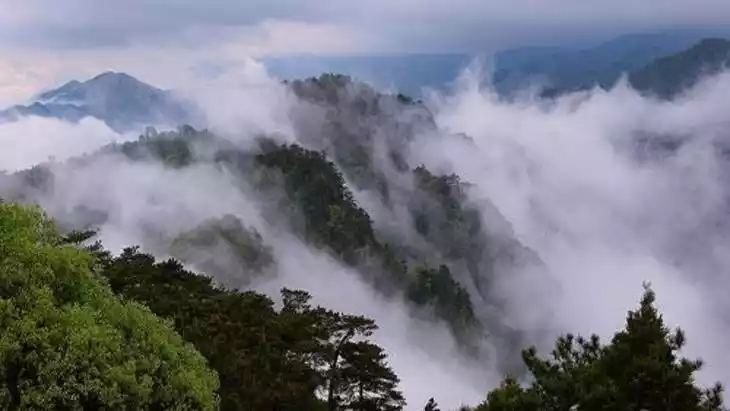
亚热带季风湿润性气候,站在黄洋界,举目四望,群山起伏,云雾弥漫,白茫茫似汪洋大海。四季皆宜出游。
建议游览天数和景点
纪念碑的正面是毛泽东手书《西江月 井冈山》,背面是朱德题字“黄洋界保卫战胜利纪念碑。毛主席最著名的《西江月》一词就是为这次伟大光辉战斗胜利而写的。游人身临其境,依稀听到当年隆隆炮声。
建议游玩1个小时左右。
门票
包含在景区门票160元/人内
景点开放时间
08:00-17:00
黄洋界保卫战纪念碑热门旅游问答
这个景点/城市的历史和意义是什么?
黄洋界是井冈山革命基地五大关隘之一。1928年8月,国共内战期间,红军一小队兵力在此关隘坚守,击退数个敌军团,史称“黄洋界保卫战”。由于地形险要,加上红军英勇善战,这场胜利成为红色(革命)史上的辉煌篇章。毛泽东为此作诗《西江月·井冈山》,朱德作题词。纪念碑最初建于1960年(木质结构),后改建为混凝土结构,现为纪念馆和红色教育基地。
它位于哪里?我该如何到达那里(地铁、公交、出租车、步行)?
该纪念碑位于井冈山风景名胜区的黄羊街关,距井冈山市慈平镇西北约17公里。前往方式:可从慈平山脚自驾或乘坐景区班车;巴士或旅游包车通常沿连接井冈山主要景点的线路运行,包括慈平→黄羊街→其他站点。也可沿着古道步行前往纪念碑,但许多游客选择驾车游览。
开放时间是什么?最佳参观时间是什么时候?
开放时间通常为上午 8:00 至下午 5:30。最佳游览时间是春季(四月至五月),此时天气晴朗,杜鹃花盛开或森林树叶茂盛,景色宜人。清晨时分,也常常可以看到云海。
入场费/门票价格是多少?如何购票(线上/线下)?
该纪念碑包含在井冈山风景名胜区门票内,票价约为每人160元人民币。门票可通过景区官网、旅游平台或现场服务中心购买。
我需要提前预订机票吗?需要提前多久预订?
非高峰期并非强制要求,但在旺季或节假日,提前购票更为稳妥。建议提前一天预订。
需要多少时间才能完全探索它?
参观纪念碑区域本身大约需要20-30分钟,但如果包括步行至山口、参观相关遗址和阅读所有铭文,则建议预留1小时。如果计划游览周边景点,则需要安排半天到一天的时间。
里面有哪些必看亮点或主要区域?
— 主立碑和横碑,碑上刻有毛泽东和朱德的铭文 — 旧哨所遗址、红军战壕和防御工事遗迹 — 山隘观景点,可俯瞰山脊、云海和更深处的山脉 — 服务中心附近设施(游客展览、关于这场战役的4D电影)
是否有导览游或语音导览(以及提供哪些语言版本)?
通常情况下,红色旅游团会提供中文导览服务。目前尚无关于该遗址专用多语种语音导览的确切信息。您可以咨询游客中心。
最佳观景点或摄影地点有哪些?
— From just below or in front of the monument, framing the stele and mountain backdrop — Along the ridge path or observation platforms that look across the pass — In early morning or late afternoon for soft light and cloud layers — Shots of inscription details (calligraphy, stele textures)
What is the recommended route or itinerary inside?
Start at the visitor service center, view exhibits and the 4D battle film (if available), then walk or ride up to the monument via historic path to the pass. Explore ruins and trenches, take in panoramic views, then return via alternate route or shuttle, and continue to adjacent sites like Baizhu Garden, Longtan or Ciping Revolutionary Sites.
Are night visits, light shows, or special tours available?
No evidence of night visits or lighting events at the monument; it is primarily a daytime, solemn red-education and memorial site.
Is it crowded, and when are the least crowded times/days to visit?
It can get busy during public holidays and spring peak. The least crowded times are weekday mornings or late afternoons outside peak bloom seasons.
What facilities are available (toilets, food, water, rest areas, shops)?
The service center has restrooms, display rooms, possibly small snack or souvenir stalls. On the mountain path, rest benches are likely. But remote stretches may lack many services, so carry water and light snacks.
Is the attraction accessible for elderly, children, or disabled visitors?
The path to the monument involves uphill walking and some uneven terrain. Elderly visitors or children should take care. Wheelchair access may be limited beyond the service center.
Is cash needed or are cards/mobile payments accepted?
At the scenic area and service center, mobile payments (WeChat Pay, Alipay) are likely accepted; for small stalls or remote vendors, cash is safer to carry.
What restaurants or cafes are available inside or nearby?
In Ciping or near the base area of Jinggangshan, local restaurants and guesthouse dining exist, offering regional local fare. Some kiosks may be placed near scenic sites.
Are there vegetarian/vegan/halal food options?
Vegetarian options (stir-fried vegetables, tofu dishes) are common in local restaurants. Halal options may be rare; check in larger towns or bring your own if needed.
What hotels or accommodations are close to the site?
In Ciping (the gateway town for Jinggangshan), there are mid-range hotels, guesthouses, and inns. Staying there gives you easier access to Huangyangjie and other scenic nodes. Hotels such as those near the visitor service center or Ciping are common references in guides.
What other attractions or landmarks are nearby and easy to combine in a day trip?
— Ciping Revolutionary Sites Group (Mao’s former residence, Red Army headquarters, etc.) — Longtan Waterfall Scenic Area (multiple waterfalls and forest trails) — Bijia Mountain (hanging plank roads, forest, sea of azaleas) — Various Red Army relic sites and old factories (Red Army mint, currency making, former military facilities)
Are there souvenir shops and what are the typical souvenirs?
Yes — souvenir shops often sell postcards, red tourist memorabilia (badges, flags, books on revolution history), local specialty products, teas, and crafts.
What are the best transportation options to continue the trip after visiting?
After visiting, you can take the scenic shuttle buses, return by tourist vans or buses to Ciping or next scenic nodes. For longer travel, head to Ji’an city or connect to the scenic area bus lines or train.