南丰祠
南风寺最值得推荐的游玩项目有哪些?
- 参观寺庙大殿,欣赏传统的佛教建筑。
- 参加或观察当地的宗教仪式和庆典。
- 拍摄华丽的装饰、雕像和宁静的庭院。
- 漫步寺庙花园及周边风景区。
- 通过信息牌了解寺庙的历史和文化意义。
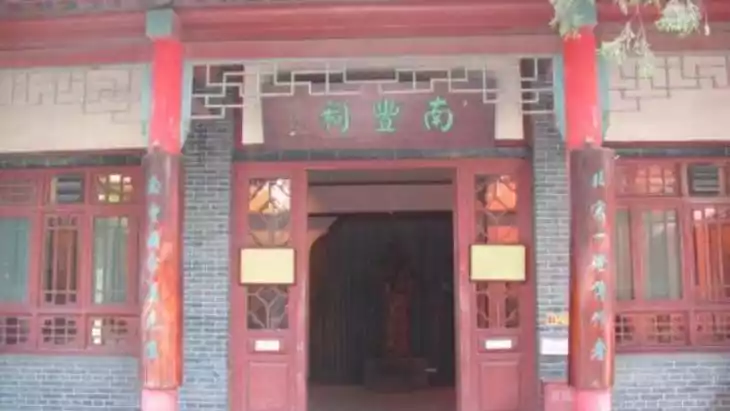
南丰祠介绍
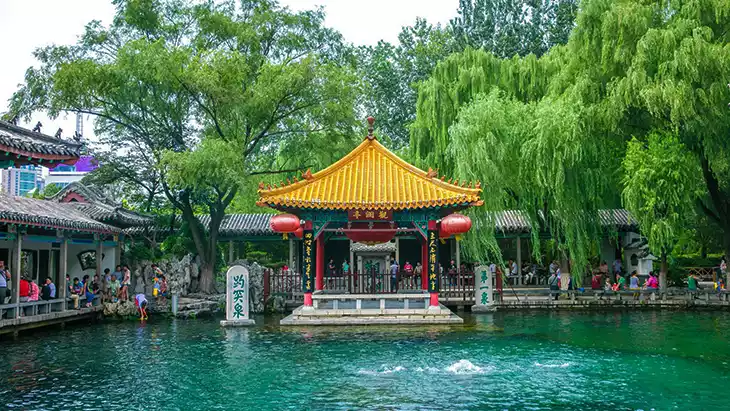
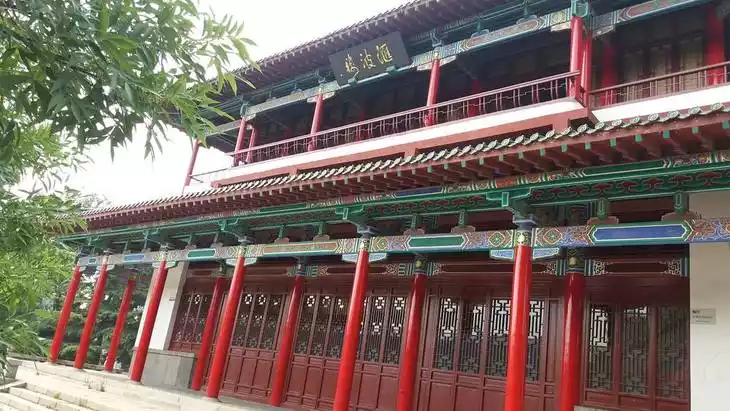
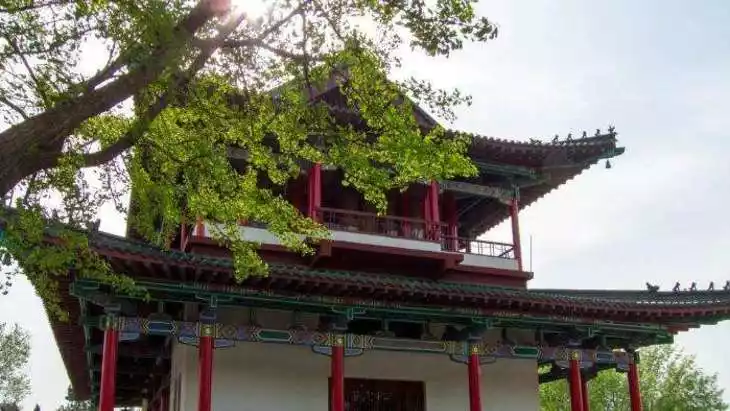
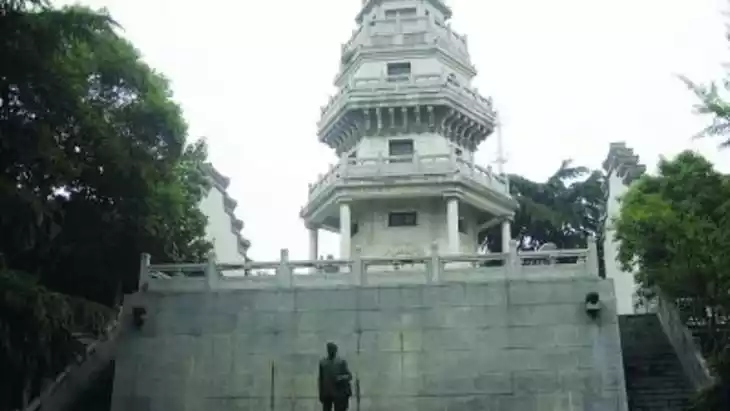
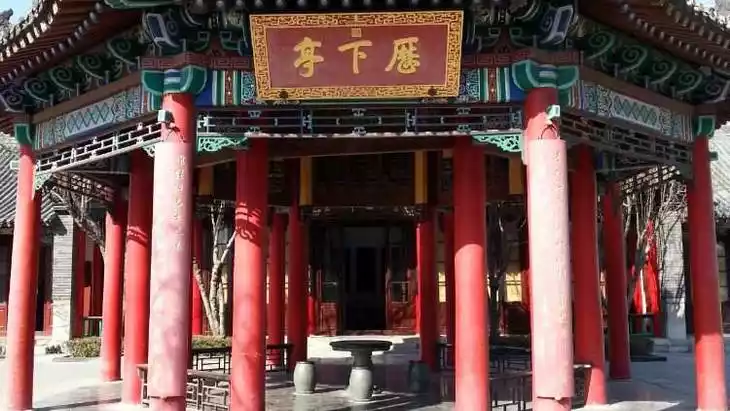
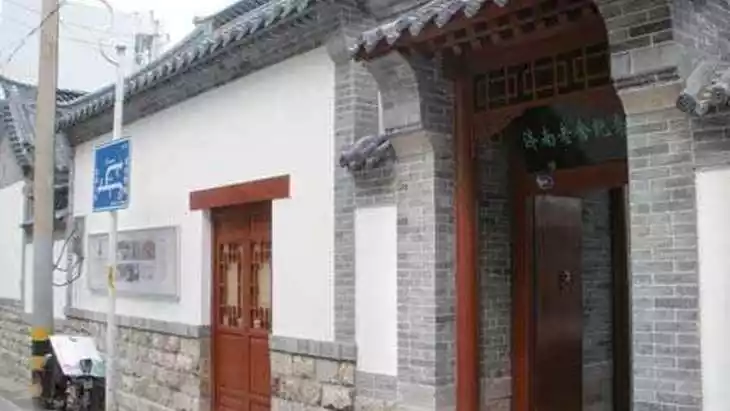
南丰祠,原名曾公祠,在济南天下第一泉风景区大明湖东北岸,北临汇波楼,为纪念北宋文学家曾巩而建。
为纪念北宋著名文学家、唐宋八大家之一的曾巩而建。曾巩字子固,江西南丰人,世称南丰先生。
于宋熙宁四年(公元1071年)任齐州知州(今济南),他推行新法,惩治恶霸,减轻徭役,改革教育,终使齐州出现了“市粟易求仓廪实,邑犹无警里闾安”的升平景象。
他主持修筑堤坝、疏浚水道、开挖新渠、修建北水门,从根本上解决了城北的水患灾害。
气候和最佳旅行时间
济南属于温带季风气候,季风明显,四季分明,春季干旱少雨,夏季温热多雨,秋季凉爽干燥,冬季寒冷少雪。
建议游览天数和景点
建议游玩一个小时
门票
免费
景点开放时间
07:00-21:00
南丰祠热门旅游问答
这个景点/城市的历史和意义是什么?
南峰寺是山东济南市一座历史悠久的佛教寺庙,以其悠久的历史、传统的建筑风格和重要的文化意义而闻名。几个世纪以来,它一直是宗教活动和当地文化遗产的中心。
它位于哪里?我该如何到达那里(地铁、公交、出租车、步行)?
位于山东济南市中心。游客可乘坐出租车、网约车或当地公交车抵达。从附近城区步行前往也很方便。
开放时间是什么?最佳参观时间是什么时候?
每日上午8:00至下午5:30开放。清晨或傍晚是避开人群、享受宁静环境的理想时间。
入场费/门票价格是多少?如何购票(线上/线下)?
入场费通常很低或免费。如有需要,可在现场购票;一般无需在线预订。
我需要提前预订机票吗?需要提前多久预订?
Advance booking is not necessary for regular visits.
How much time is needed to fully explore it?
1–2 hours are sufficient to explore the temple grounds, halls, and surrounding gardens.
What are the must-see highlights or main areas inside?
- Main prayer hall with large Buddha statues
- Temple courtyards and decorative gates
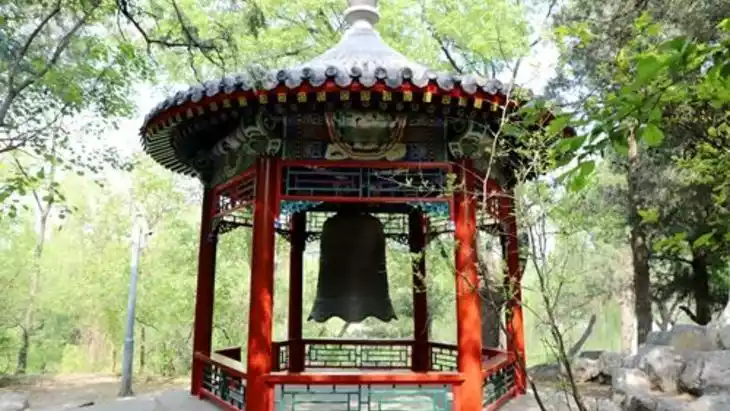
- Ancient pagodas and bell towers
- Gardens and scenic walking paths around the temple
Are guided tours or audio guides available (and in which languages)?
Guided tours are occasionally available in Chinese; audio guides are not commonly offered.
What are the best viewpoints or photography spots?
- Front entrance for temple façade shots
- Main prayer hall interior for statues and decorations
- Courtyards for symmetry and landscape photography
- Temple gardens for natural scenery and seasonal colors
What is the recommended route or itinerary inside?
Enter through the main gate, explore the central hall first, then visit side halls, pagodas, and the surrounding gardens, ending with a walk around the temple courtyards.
Are night visits, light shows, or special tours available?
Night visits and light shows are generally not available; special religious ceremonies may be observed during festivals.
Is it crowded, and when are the least crowded times/days to visit?
Weekdays and early mornings are the least crowded. Weekends and public holidays see higher visitor numbers.
What facilities are available (toilets, food, water, rest areas, shops)?
Basic facilities include rest areas and toilets. Small shops or stalls may sell snacks, drinks, and religious items.
Is the attraction accessible for elderly, children, or disabled visitors?
Accessible for most visitors, including elderly and children. Some areas may have steps; wheelchair accessibility may be limited in certain halls.
Is cash needed or are cards/mobile payments accepted?
Cash is useful for small purchases or donations. Mobile payments are widely accepted in nearby shops.
What restaurants or cafes are available inside or nearby?
Several local restaurants and tea houses are within walking distance. Cafes and modern eateries are available in central Jinan nearby.
Are there vegetarian/vegan/halal food options?
Vegetarian options are widely available due to the temple’s Buddhist influence. Vegan and halal options may be found at nearby restaurants in the city.
What hotels or accommodations are close to the site?
Multiple hotels and guesthouses are available within central Jinan, ranging from budget to mid-range accommodations.
What other attractions or landmarks are nearby and easy to combine in a day trip?
- Baotu Spring Park
- Daming Lake
- Black Tiger Spring
- Shandong Provincial Museum
Are there souvenir shops and what are the typical souvenirs?
Souvenir shops sell Buddhist-themed items, postcards, incense, and small handicrafts reflecting local culture.
What are the best transportation options to continue the trip after visiting?
Taxi, ride-hailing apps, or local buses provide easy access to other Jinan attractions or transport hubs.