这座拥有千年历史的皇家寺庙会让你感动落泪——傣族寺
傣寺
作者:ElectroByte
2025年10月22日
作者:ElectroByte
2025年10月22日

1. Overview and Historical Context
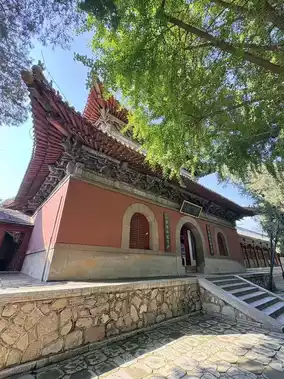
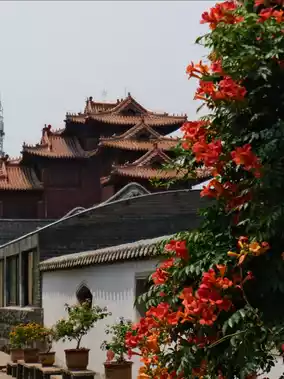
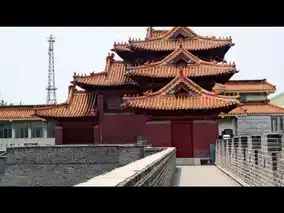
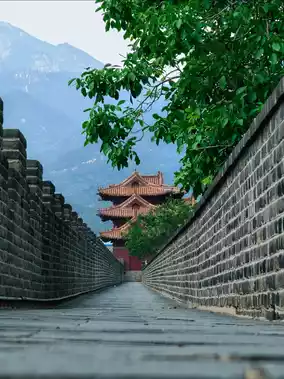
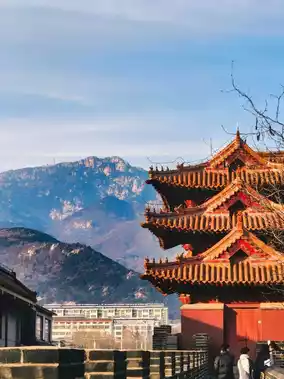
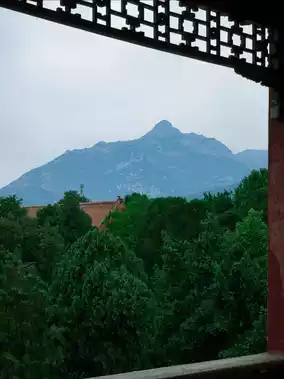
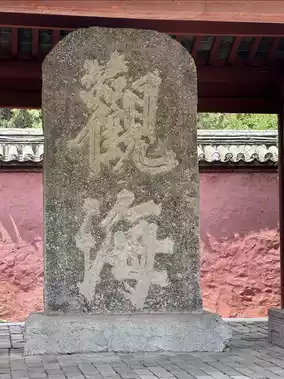
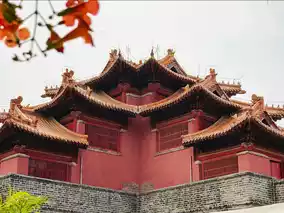
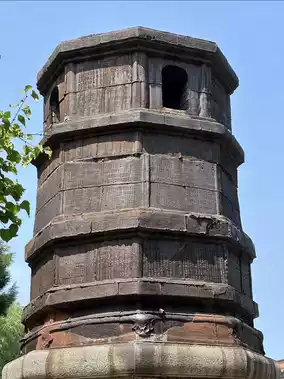
Dai Temple is located in the center of Tai’an City and has been the sacred site where emperors of successive dynasties worshipped the god of Mount Tai. It is also an important part of the Mount Tai World Cultural Heritage. Covering an area of 96,000 square meters, this ancient architectural complex was first built during the Han Dynasty, expanded during the Tang and Song Dynasties, and renovated in the Ming and Qing Dynasties. It formed the royal ritual layout of “left for ancestors, right for soil,” and is known alongside the Forbidden City in Beijing and the Three Confucian Sites in Qufu as one of the “Three Great Ancient Architectural Complexes of the East.” As a nationally protected cultural relic, its core building, the Tiankuang Hall, is ranked with the Hall of Supreme Harmony in the Forbidden City and the Dacheng Hall in Qufu as one of the “Three Great Palaces of Ancient China.” Inside the hall, the Song Dynasty mural “Mount Tai God’s Procession Returning to the Palace” is a rare treasure, hailed as an “epic of Eastern art history.”
2. In-Depth Exploration of Core Attractions
1. Central Axis Ritual Architecture Complex
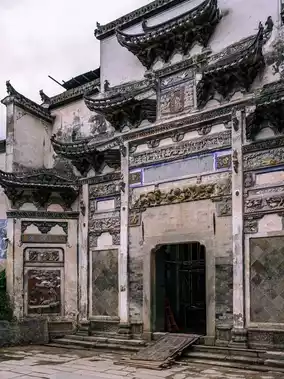
From south to north along the central axis: the Zhengyang Gate features a nine-ridge Xieshan roof covered with glazed tiles, guarded by bronze lions inside; the Peitian Gate on both sides is lined with steles recording the history of Dai Temple’s renovations through the ages; behind the Ren’an Gate stands the core building, Tiankuang Hall, whose glazed tile roof shines brilliantly under the sun, and the dragon-patterned stone carvings on the front terrace display royal grandeur. Inside the hall, the 3.3-meter-tall bronze statue of the Mount Tai god is solemn and majestic, surrounded by 482 square meters of large murals vividly depicting the grand scene of the god’s procession.
2. Ancient Architecture and Natural Charm
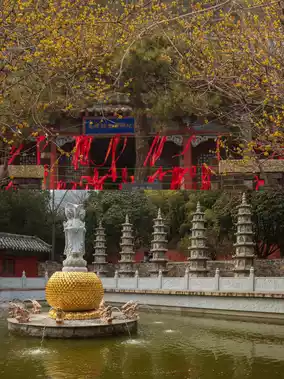
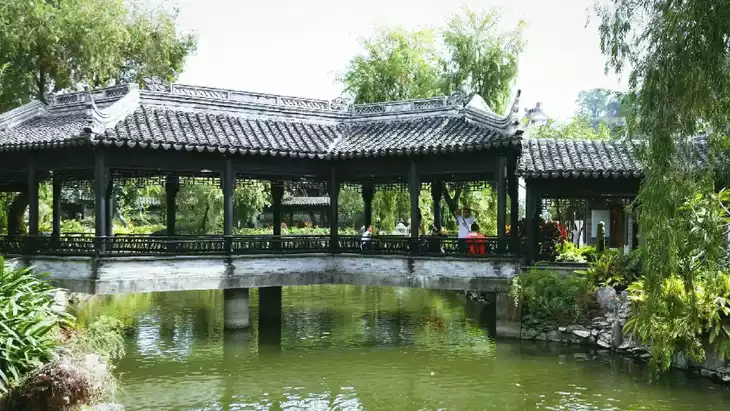
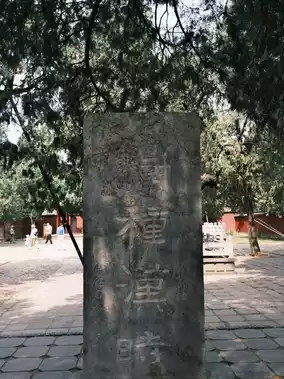
The Han Cypress Courtyard on the east side is named after the cypress planted by Emperor Wu of Han; the thousand-year-old cypress’s twisted branches intertwine, harmonizing with the Qing Dynasty “Han Cypress Painting” stele. Although the original trees in the Tang Locust Courtyard on the west side have withered, new branches still show vitality, and the spectacle of “Tang Locust Embracing Its Offspring” attracts visitors. The rear palace to the north was once the residence of the Mount Tai god’s consort, with exquisitely crafted Ming Dynasty wooden doors and windows still preserved. Over a hundred ancient trees and famous plants complement the pavilions and towers in the garden, making a stroll here feel like traveling through a thousand years of time.
3. Cultural Experience Activities
每天上午10:00和下午3:00,天光殿前都会举行古祭仪式,游客可以观看彝族舞蹈、祭祀等传统仪式。景区提供汉服租赁服务,是与古柏和碑刻合影的绝佳地点。扫描手机二维码即可激活语音导览,深入了解每座建筑背后的历史故事。3
. 实用信息
1. 门票及开放时间
成人票价20元人民币;学生及教师凭有效证件可享半价优惠;身高1.4米以下儿童及60岁以上老人免费入场。9月份常规开放时间为上午8:00至下午5:30(下午5:00停止入场),节假日不延长开放时间。2
. 交通及住宿指南
• 自驾:导航至“傣族庙南门停车场”。附近鸿门路和青年路均设有专用停车位。
• 公共交通:从泰安站乘坐37路公交车至“傣族庙”站,步行15分钟即可到达泰山站。
推荐住宿包括汉亭饭店(傣族庙青年路分店),步行5分钟即可到达景区。若想体验更高品质的住宿,可选择泰山西美隐居酒店,其山景房配备智能家居控制系统,提升您的入住体验。3
. 餐饮推荐:
北门出口的老陈豆腐店专营泰山“三鲜汤”(白菜、豆腐、泉水),汤底鲜美;鸿门路上的王阿姨饼摊提供杂粮饼配酥脆油条,香气扑鼻,令人垂涎。若想享用正餐,可前往老县政厅美食街,那里有李氏驴油烤肉和大胡子炒鸡等必尝当地特色菜。
4. 建议行程安排
一日游精华游
上午9:00 从南门进入,参观正阳门和培天门
上午10:00 在天光殿观看祭祀表演
上午11:00 漫步汉柏院和唐槐院,拍摄古装照
下午12:30 从北门离开,品尝泰山特色小吃
下午2:00 返回景区,参观碑刻展览馆和铜阁
下午4:00 购买碑刻拓片和泰山石干当文化产品
下午5:00 从北门离开,行程结束
两日文化游
第一天:深度游览傣族庙 + 晚上游览老县府夜市
第二天:清晨从洪门攀登泰山,体验“登泰山见天下”的壮丽景色,傍晚返回。
5. Notes and Cultural Reflections
Visitors should note: flash photography and touching cultural relics inside the halls are prohibited; wear comfortable sports shoes as the scenic area requires 2-3 hours of walking. As the core carrier of Mount Tai’s sacrificial culture, every building and ancient tree in Dai Temple embodies the ancient philosophy of harmonious coexistence between heaven, earth, and humanity. When the setting sun gilds the edges of Tiankuang Hall and the pine waves rustle among the ancient cypresses, you will understand why emperors throughout history regarded this place as a sacred link between heaven and man. This millennium-old temple is not only a treasure trove of architectural art but also a cultural landmark in the spiritual world of the Chinese people.
Post by snoozelipstick25 | Sep 19, 2025