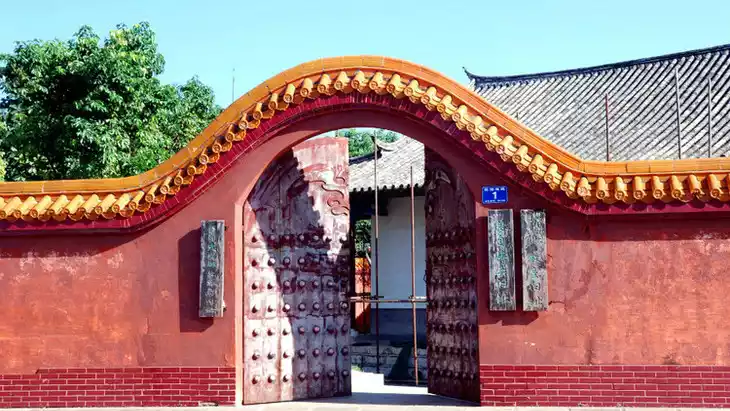
红河州玉皇阁
红河州玉皇阁最值得推荐的游玩项目有哪些?
- 探索玉皇阁的古老建筑,从这里可以欣赏到周围令人惊叹的景色。
- 了解该亭子的文化意义及其与当地传统的联系。
- 您可以漫步于周围的自然美景之中,包括花园和通往风景名胜的小路。
- 参加在凉亭举行的当地节日或宗教仪式。
红河州玉皇阁介绍
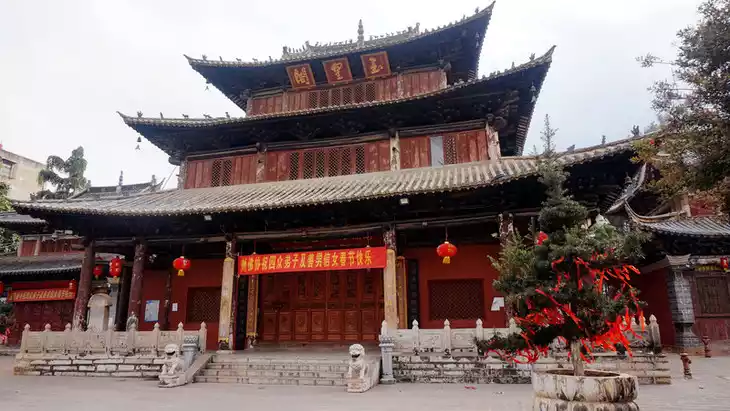
蒙自玉皇阁又名通明阁,位于红河哈尼族彝族自治州蒙自市。始建于明万历六年(1578年)。由玉皇阁及东西两阁组成,中间的玉皇阁在清康熙二十六年(1627年)曾重建,东西两阁位于玉皇阁两侧,清雍正十二年(1731年)建。
玉皇阁及东西两阁组合在一起呈“三阁鼎立”之势,为蒙自县城时代最早的一组建筑,占地面积约1000平方,位于蒙自县城的最高位上,是古时阴阳家所称的蒙坝龙头,建阁者的愿望是把阁建在这里,以镇住蒙自龙气地脉,使蒙自能消灾平安。
今天的玉皇阁也的确是蒙自人民寄托自己保安和幸福愿望的地方,初一和十五的香火都很盛。平时还有一些民间艺术在这里弹洞经,更为玉皇阁增添了一些庄严肃穆的气氛。
气候和最佳旅行时间
地处亚热带季风气候区,四季如春,光照充足,冬无严寒、夏无酷暑,四季皆宜出游。
建议游览天数和景点
蒙自玉皇阁的底层供奉释迦牟尼彿,中层敬奉阿弥陀佛,顶层虔奉玉皇大帝,在阁前的平台上摆着一个三层六角亭大铁鼎,上铸儒家名言“风调雨顺,国泰民安”。所以说它是儒释道三教合一,这也是它的有别于其他玉皇阁的地方,这也表现了蒙自文化的多元性。
整个玉皇阁建筑群坐南朝北,三重檐歇山顶,梁架斗拱用材粗大,阁内存明永历五年(1651年)《常住通明阁碑》及清康熙二十六年(1627年)《重建通明阁碑记》。东西两阁通高12米,面阔,进深各12米,具有清代早期建筑风格。1983年公布为蒙自县文物保护单位。
门票
免费
景点开放时间
08:00-17:00
红河州玉皇阁热门旅游问答
What is the history and significance of this attraction/city?
The Jade Emperor Pavilion, located in Honghe Prefecture, is a significant cultural and religious site. It is dedicated to the Jade Emperor, the highest deity in Chinese Taoist belief. The pavilion is not only a place of worship but also a symbol of local heritage and spiritual devotion.
Where is it located and how do I get there (metro, bus, taxi, walking)?
The Jade Emperor Pavilion is located in Honghe Prefecture, Yunnan, China. It can be accessed by taxi or private car. Public transportation options are limited, so taxis or ridesharing apps are the most convenient option for most visitors.
What are the opening hours and best times to visit?
The pavilion is typically open from 8:00 AM to 5:00 PM daily. The best time to visit is in the early morning or late afternoon to avoid crowds and enjoy the peaceful atmosphere.
What is the entrance fee/ticket price, and how to buy tickets (online/offline)?
There is no entrance fee for visiting the pavilion. However, donations are welcome. Tickets for special events or ceremonies can be purchased at the venue, but general access to the pavilion is free.
Do I need to book tickets in advance, and how far in advance?
No advance booking is required unless you are attending a special event or festival, in which case it is recommended to book tickets a few days in advance.
How much time is needed to fully explore it?
You can explore the pavilion and its surroundings in about 1 to 2 hours. If you plan to attend any religious ceremonies or events, you may want to allow extra time.
What are the must-see highlights or main areas inside?
- The main pavilion, which houses the statue of the Jade Emperor and features intricate carvings and artwork.
- The surrounding gardens and courtyards, offering scenic views of the area.
- Local shrines and prayer areas where visitors can participate in rituals or observe religious practices.
Are guided tours or audio guides available (and in which languages)?
Guided tours are available in Chinese, and there may be limited English-speaking guides. Audio guides are not typically provided, but informational plaques are available in both Chinese and English.
What are the best viewpoints or photography spots?
- The terrace near the pavilion offers panoramic views of the surrounding landscape, making it an ideal spot for photography.
- The pavilion's architecture itself is a popular subject for photography, especially with the backdrop of the surrounding nature.
What is the recommended route or itinerary inside?
Start by visiting the main pavilion to observe the Jade Emperor statue. Then, take a walk through the surrounding gardens and explore the smaller shrines. Finish with a quiet moment at the scenic viewpoint.
Are night visits, light shows, or special tours available?
Night visits are not typically available, and there are no regular light shows. Special tours may be arranged for specific festivals or cultural events, so it's best to check the schedule in advance.
Is it crowded, and when are the least crowded times/days to visit?
The pavilion can be crowded during religious festivals or holidays. The least crowded times are during the weekdays, particularly in the morning.
What facilities are available (toilets, food, water, rest areas, shops)?
The pavilion has basic facilities, including public toilets and rest areas. There are also small shops selling religious items and souvenirs. Food and water are available at nearby stands or shops outside the pavilion.
Is the attraction accessible for elderly, children, or disabled visitors?
The pavilion is accessible for most visitors, including elderly and children. However, due to the terrain around the pavilion, some areas may be difficult for visitors with mobility issues. Wheelchair access may be limited.
Is cash needed or are cards/mobile payments accepted?
Cash is commonly used for donations or purchases within the site. Mobile payments and cards are accepted at larger shops or restaurants outside the pavilion.
What restaurants or cafes are available inside or nearby?
- There are no major restaurants inside the pavilion, but small food stalls offer snacks and beverages.
- Nearby restaurants in the town offer local Yunnan cuisine.
Are there vegetarian/vegan/halal food options?
Local restaurants nearby may offer vegetarian options, though vegan and halal food may be limited. It’s advisable to check with the restaurant in advance.
What hotels or accommodations are close to the site?
- There are a few guesthouses and hotels in the nearby town offering budget accommodations.
- For a more comfortable stay, there are higher-end hotels located within a 20-30 minute drive from the pavilion.
What other attractions or landmarks are nearby and easy to combine in a day trip?
- Visit the Honghe Red River Valley, a UNESCO Biosphere Reserve with scenic landscapes and ethnic villages.
- The Hani Rice Terraces, a beautiful UNESCO World Heritage Site, are also nearby and worth visiting.
Are there souvenir shops and what are the typical souvenirs?
Yes, there are souvenir shops near the pavilion selling religious items, small statues, traditional crafts, and locally made goods such as textiles and pottery.
What are the best transportation options to continue the trip after visiting?
- Taxis or private cars are the most convenient for continuing your trip.
- Public buses are available but may be less frequent and less direct.