
How bad is the VOG?
No coming until February, but a little concerned about how VOG might affect our trip.
Thanks for any information you can provide.
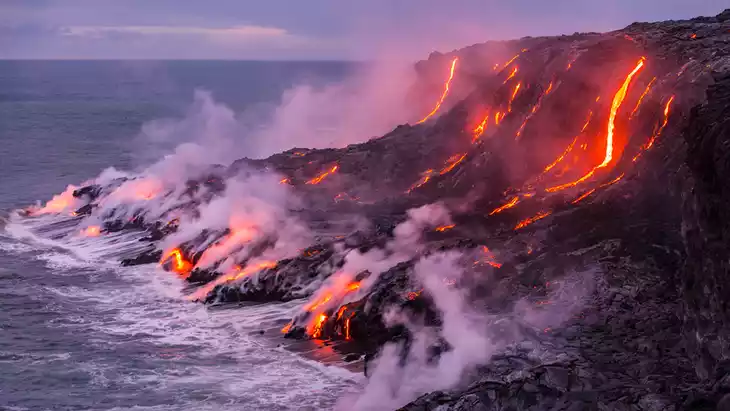
VOG (volcanic smog) is a phenomenon caused by volcanic emissions, primarily from Kīlauea, which is located on the Big Island of Hawaii. While VOG is not generally a major issue for all areas of Maui, it can still impact the island at times, especially depending on wind conditions and volcanic activity.
Here are some key things to know about VOG and how it might affect your trip:
- What is VOG? VOG is a mixture of sulfur dioxide gas, aerosols, and particulate matter released by active volcanoes. It can cause hazy skies and sometimes lead to breathing difficulties for sensitive individuals, particularly those with respiratory conditions like asthma or lung diseases.
- Where is VOG most noticeable? On Maui, VOG is most commonly felt on the southern and eastern sides of the island, particularly in areas like Kihei, Wailea, and Hana. The western and northern parts, like Lahaina and Kaanapali, tend to be less affected by VOG.
- When is VOG more likely? VOG is more prevalent during times of increased volcanic activity or when wind conditions push the emissions from the Big Island towards Maui. However, the levels of VOG can vary daily, and on some days it might be very mild or even absent.
- How does VOG affect you? For most people, VOG might cause minor discomfort, such as irritated eyes, a scratchy throat, or mild breathing issues. Those with asthma or other respiratory conditions may experience more significant symptoms, such as shortness of breath or coughing. If you’re sensitive to air quality, it’s important to monitor conditions and take precautions.
What can you do to minimize the impact of VOG?
- Monitor VOG levels: The Hawaii State Department of Health has a VOG monitoring website where you can check current conditions. Websites like vog.ivhhn.org provide real-time information on VOG levels and wind patterns.
- Stay indoors: If VOG levels are high, try to stay inside or find air-conditioned spaces to avoid exposure. Many hotels and resorts in the affected areas will have air conditioning, which can help reduce the impact of VOG inside.
- Protect your lungs: For those sensitive to air quality, wearing a mask (like an N95) or using an air purifier in your room may help. It’s also a good idea to avoid strenuous physical activity outdoors on days when VOG is noticeable.
- Location matters: If you’re staying in Kaanapali, Lahaina, or other western areas, you’re less likely to experience VOG, as these areas tend to be more protected by trade winds and are generally in the lee of the volcanoes.
In summary: VOG can affect your trip, but it varies depending on wind conditions, volcanic activity, and where you’re staying. If you’re staying on the west side of Maui, it’s less likely to be a problem. If you’re concerned, you can monitor VOG levels during your trip and make adjustments as needed. Generally, it’s not a huge issue unless you’re particularly sensitive to air quality.
More Maui Travel Questions
- Favorite Local Maui Food Spots
- Sunrise at Haleakala
- Have you seen a Hawaiian Monk Seal
- Help With Itinerary
- Looking for a farm to table restaurant
- Current housing situation on Maui?
- NCL cruise - Kahului, Maui
- Westin Kaanapali Ocean Resort Villas Luau
- Haleakala clothing
- Nakalele blowhole, Hana and roads
- Hawaii music
- Car Rental Companies in Maui?
The attractions mentioned in this question

Popular Destinations



Popular Travel Questions
- Marriott's Ko Olina Beach Club-Timeshares sales Presentation
- Visiting Kauaii in December
- Transportation Jacksonville Airport to Historic District
- Colony: trip advisor reviews are so negstive!
- Is train station safe for teen during the day?
- Looking for Chang Cheng Village
- I can't answer a question
- Cape San Blas on Memorial day
- Williams to Grand Canyon
- Amtrak arrival assistance
- Brewpub for lunch Friday on Black Friday
- Hyatt closest to Emeryville Amtrak station