
back side of hana
is it worth driving the back side of hana
The "back side" of Hana, also known as the southern route from Hana to Kipahulu and back to the more developed parts of Maui, offers a different perspective of the island compared to the more touristy Road to Hana. While it can be a rewarding drive for those seeking adventure and the chance to see Maui's rugged landscapes, there are some important considerations to take into account before deciding whether it's worth the drive.
Pros of Driving the Back Side:
- Less crowded: The back road tends to be less frequented by tourists compared to the main Hana Highway, so you'll get to enjoy more isolated and pristine parts of the island.
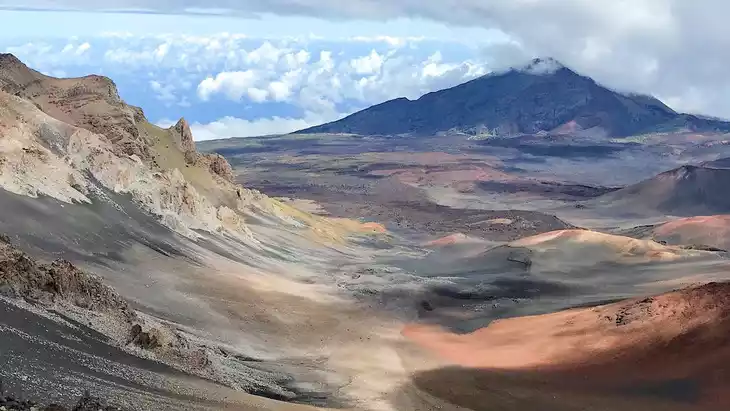
- Scenic beauty: This route takes you through some stunning landscapes, including coastal views, tropical forests, and the remarkable Hana Lava Tube. The lush, untouched nature of this part of the island makes it incredibly picturesque.
- Access to Oheo Gulch and Seven Sacred Pools: Continuing on the back side gives you access to the famous Oheo Gulch in Haleakalā National Park, where you can enjoy waterfalls, pools, and hiking opportunities. It's one of the most popular stops for visitors traveling the Road to Hana.
- Opportunity for unique photos: There are fewer tourist crowds, so you'll have a better chance of capturing unspoiled and dramatic images of Maui's landscapes, which are perfect for photography enthusiasts.
Cons and Considerations:
- Rugged and challenging road: The back side of Hana is famous for its difficult, often treacherous road conditions. Some sections are unpaved, extremely narrow, and include sharp turns, steep inclines, and switchbacks. It's not recommended for drivers who are inexperienced with mountain driving or who don't have a suitable vehicle (4-wheel drive is highly recommended).
- Limited cell service: The back road to Hana runs through isolated areas with little to no cell service. In case of emergency, you may be quite far from help, so be sure to bring a charged phone, a spare tire, and supplies.
- Rough driving conditions: While it can be rewarding, the back road requires a significant time investment and endurance. The road is challenging, and you may need to be prepared for a lengthy drive with few options for food, water, or rest stops. The road is also prone to muddy conditions after rainfall.
- Limited amenities: There are fewer facilities, including gas stations, restaurants, and restrooms, compared to the Hana Highway. Plan ahead and bring what you need before embarking on this journey.
Things to Keep in Mind:
- Weather conditions: Maui's weather can be unpredictable, especially in the Hana region. If it rains heavily, the back road can become hazardous, with flooding or landslides possible. Make sure to check road conditions before you set out.
- Allow extra time: The back road can take longer than expected, so plan for extra time in case of delays or to fully enjoy the stops along the way. It may take 5 to 7 hours or more to drive this loop, especially if you plan to make stops.
- Safety precautions: Ensure you have a full tank of gas, snacks, water, and a good map, as the back road can feel like a "road less traveled." It's important to be prepared and make sure your vehicle is in good working order.
Conclusion: If you're looking for an off-the-beaten-path experience and are prepared for a challenging drive, the back side of Hana offers a stunning and less-crowded alternative. The rugged beauty and access to unique spots like Oheo Gulch make it a memorable part of Maui's landscape. However, if you're not comfortable with rough roads or have limited time, you may want to reconsider or opt for guided tours that can handle the drive more comfortably.
More Hana Travel Questions
The attractions mentioned in this question
Popular Destinations


Popular Travel Questions
- in bloom?
- Vegas.com
- 4 days on either Lake Michigan or Lake Huron
- a free afternoon/evening in Fairbanks
- island hop to go to Pearl Harbor and Aulani
- Are twilight tours still offered?
- Live music
- boothbay harbor with dog
- Old High School in Big Timber - Address?
- 3-4-star hotel in Tashkurgan
- Marta from Airport
- Visiting March 22-29 for a few days