Pantao Mountain Buddhist Cultural Scenic Area
What are the most recommended things to do in Pantao Mountain Buddhist Cultural Scenic Area?
Pantao Mountain Buddhist Cultural Scenic Area is a peaceful retreat with scenic landscapes and spiritual significance. Visitors can explore the Buddhist temples, walk along the tranquil mountain paths, and meditate in serene surroundings. Hiking, photography, and experiencing the local Buddhist culture are must-dos here.

Introducing Pantao Mountain Buddhist Cultural Scenic Area
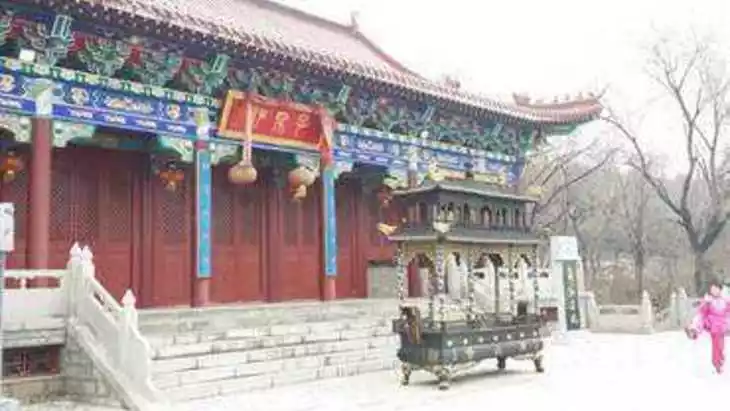
The scenic area's development and reconstruction was carried out in three phases. The first phase, Baolian Temple, had its foundation stone laid in April 2009. With an inscription by Master Hsing Yun, the project took three years to complete and opened to the public in April 2012. Baolian Temple, a symbol of Buddhism's millennia-long history in Xuzhou, was originally built during the Southern and Northern Dynasties and is my country's first pagoda with Indian architectural influences. It was overseen by Faxian, the first Chinese monk to return from India seeking Buddhist scriptures, and was named Longhua Temple. Over the millennium, the temple has weathered numerous ups and downs, undergoing several cycles of destruction and rebirth, including Hongfeng Temple and Honglian Temple, before officially being designated Baolian Temple during the Qianlong reign of the Qing Dynasty.
The ruins of Longhua Temple are located within the scenic area. Every year on the third day of the third lunar month, the area hosts a grand Pantao Temple Fair, attracting tens of thousands of worshippers and tourists for three days of worship and enjoyment. The fair, centered on preserving Chinese folk culture and promoting intangible cultural heritage, has become one of Xuzhou's three most influential folk temple fairs.
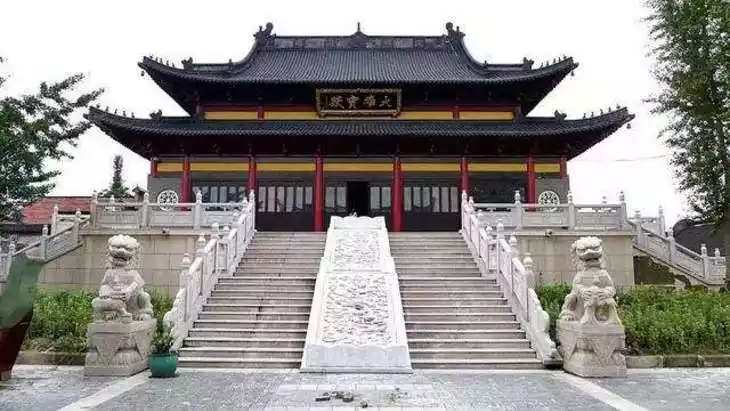
The rebuilt Baolian Monastery comprises eight halls, two pavilions, and one courtyard, covering an area of 16,400 square meters. Its architectural features embody the grandeur of the heyday of the Tang Dynasty, with alternating palaces and pagodas creating a classic and elegant structure. The rebuilt Baolian Monastery boasts six firsts in my country, two of which are historical and cultural: the Patriarch Hall enshrines the monk Faxian, the first Chinese monk to return from India to study Buddhist scriptures; and the temple houses the country's first Indian-style pagoda. Four are architectural: the Seven Buddha Hall is currently the largest main hall in China; the Nanhai Guanyin mural is currently the largest single Buddhist mural in China; and the Tongtian Pavilion, China's tallest Buddhist pavilion, houses the Tianguan Maitreya, the true form of Maitreya Bodhisattva, the largest indoor wrought-bronze Buddha statue in China.
Climate and best time to travel
The warm temperate humid climate makes it suitable for travel in all seasons.
Recommended number of days and locations for visiting
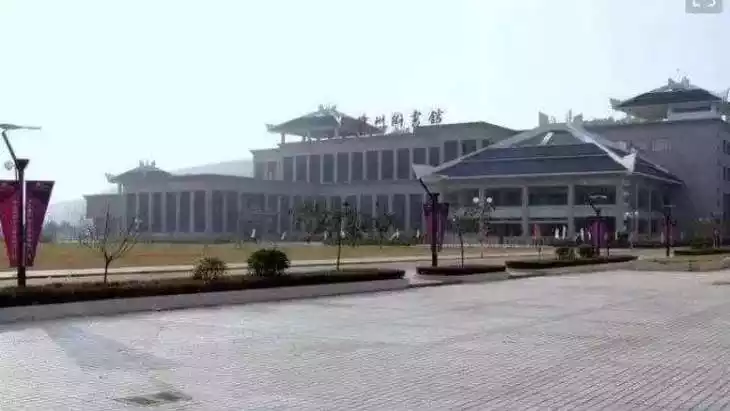
The Bodhi Lotus Square, the gate to the Pantao Holy Land, the Tianlongbabu Square and the Tongtian Pavilion in the scenic area together form the main axis of the Pantao Mountain Buddhist Cultural Scenic Area, and also lay the framework for the future development space of the scenic area.
It is recommended to play for about 3 hours.
Tickets
10 yuan
Attraction opening hours
08:00-17:00 all year round
Most Popular FAQs for Pantao Mountain Buddhist Cultural Scenic Area
What is the history and significance of this attraction/city?
The Pantao Mountain Buddhist Cultural Scenic Area holds significant historical and cultural value, serving as an important Buddhist pilgrimage site in Jiangsu. It is believed to be a site where Buddhist monks meditated for centuries. The area is also known for its ancient temples and peaceful natural environment.
Where is it located and how do I get there (metro, bus, taxi, walking)?
The Pantao Mountain Buddhist Cultural Scenic Area is located in Xuzhou, Jiangsu, China. Visitors can reach the site by taxi or public bus from Xuzhou city center. The nearest major train station is Xuzhou Railway Station, and from there, you can take a taxi or bus to the scenic area.
What are the opening hours and best times to visit?
The Pantao Mountain Buddhist Cultural Scenic Area is open daily from 8:00 AM to 6:00 PM. The best times to visit are during the spring and autumn months when the weather is mild and the natural surroundings are at their most beautiful.
What is the entrance fee/ticket price, and how to buy tickets (online/offline)?
The entrance fee to Pantao Mountain Buddhist Cultural Scenic Area is approximately ¥50 for adults. Tickets can be purchased on-site at the entrance or online through local tourism websites.
Do I need to book tickets in advance, and how far in advance?
It is not mandatory to book tickets in advance, but it is recommended during peak tourist seasons (e.g., national holidays). You can book tickets a few days ahead if visiting during busy times.
How much time is needed to fully explore it?
Visitors typically need around 3 to 4 hours to fully explore the scenic area, including hiking, visiting temples, and taking in the natural beauty of the surroundings.
What are the must-see highlights or main areas inside?
The must-see highlights include the ancient Buddhist temples, the tranquil mountain paths, and the panoramic views from the mountain peaks. The main temple is particularly significant for those interested in Buddhist culture.
Are guided tours or audio guides available (and in which languages)?
Guided tours are available in Chinese, and some English-speaking guides may be available during peak seasons. Audio guides may also be offered in multiple languages for a self-guided experience.
What are the best viewpoints or photography spots?
The best viewpoints are from the top of Pantao Mountain, offering sweeping views of the surrounding landscapes. The temples against the backdrop of the mountains are also great photography spots.
What is the recommended route or itinerary inside?
A recommended itinerary includes visiting the main Buddhist temple first, followed by a hike up to the mountain summit for panoramic views, and then exploring the smaller temples and tranquil areas along the mountain paths.
Are night visits, light shows, or special tours available?
Currently, there are no night visits or light shows available. The scenic area closes at 6:00 PM, so it is best to visit during daylight hours to fully experience the site.
Is it crowded, and when are the least crowded times/days to visit?
The Pantao Mountain Buddhist Cultural Scenic Area can get crowded during Chinese national holidays, especially in the spring and fall. The least crowded times are early mornings on weekdays, especially outside of peak tourist seasons.
What facilities are available (toilets, food, water, rest areas, shops)?
Basic facilities such as public restrooms, small food stalls, and water stations are available at the entrance and along the main paths. There are also small souvenir shops where visitors can purchase local handicrafts.
Is the attraction accessible for elderly, children, or disabled visitors?
The attraction is mostly accessible to elderly visitors and children, but the mountain paths can be steep in places. For disabled visitors, it may be challenging to access certain areas, especially those requiring hiking to the top of the mountain.
Is cash needed or are cards/mobile payments accepted?
Cash is still commonly used in the area, but mobile payments like WeChat Pay and Alipay are widely accepted at most locations, including ticket counters and food stalls.
What restaurants or cafes are available inside or nearby?
There are a few local eateries around the entrance where visitors can try regional dishes. For a wider range of dining options, it's best to head back to Xuzhou city, where there are numerous restaurants and cafes.
Are there vegetarian/vegan/halal food options?
Vegetarian options are available, particularly in the small restaurants near the entrance. Vegan and halal food may be limited, but there are vegetarian-friendly dishes, especially those found in the Buddhist temples.
What hotels or accommodations are close to the site?
There are a few guesthouses and budget hotels in the Xuzhou area. For a more comfortable stay, visitors can choose from several mid-range and luxury hotels in Xuzhou city.
What other attractions or landmarks are nearby and easy to combine in a day trip?
Nearby attractions include the Xuzhou Museum, Yunlong Lake, and the Tomb of King of Chu. These can easily be visited in combination with Pantao Mountain for a full day of sightseeing in Xuzhou.
Are there souvenir shops and what are the typical souvenirs?
Souvenir shops are available inside the scenic area and offer Buddhist-themed items such as incense, statues, and local handicrafts. Other popular souvenirs include tea and regional snacks.
What are the best transportation options to continue the trip after visiting?
After visiting Pantao Mountain, taxis and buses are available to take visitors back to Xuzhou city. For longer trips, the Xuzhou Railway Station or Xuzhou East Railway Station are accessible for travel to other destinations in Jiangsu province.