Pearl Beach
What are the most recommended things to do in Pearl Beach?
- Relax on the serene shores of Pearl Beach, known for its tranquil atmosphere and clear waters.
- Swim, sunbathe, and enjoy various water sports activities like kayaking or paddleboarding.
- Take a leisurely walk along the beach, exploring the surrounding natural beauty of the Aba Qiang and Tibetan Autonomous Prefecture.
- Capture stunning photographs of the beach, mountains, and wildlife that make this area unique.
- Participate in local cultural experiences or enjoy a traditional Tibetan meal at nearby eateries.
Introducing Pearl Beach
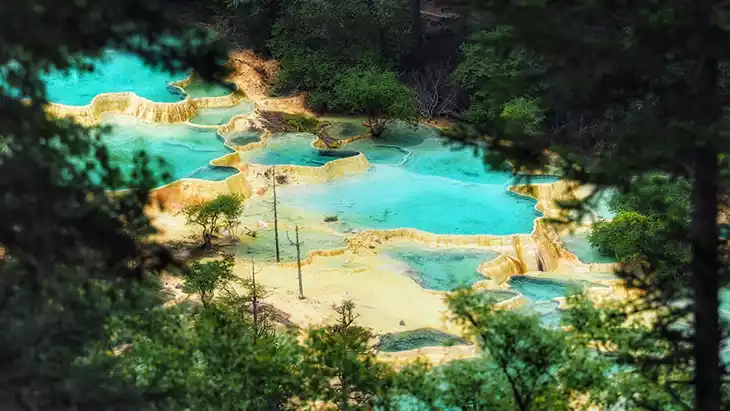
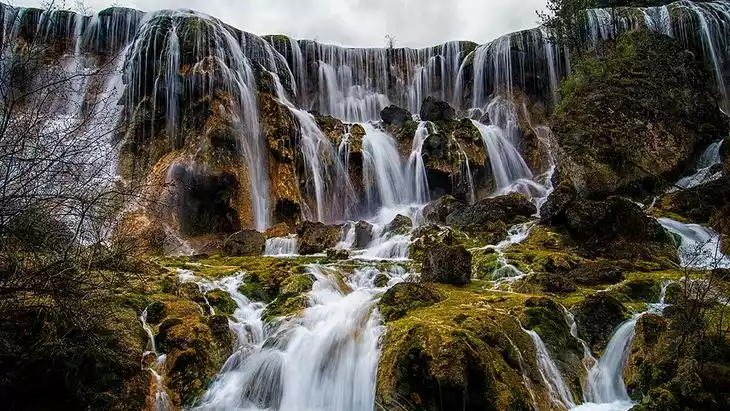
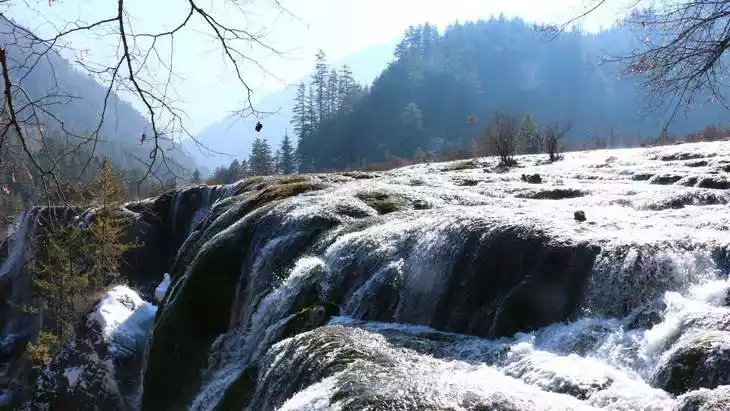
Pearl Beach is the place where Monk Tang and his disciples waded through water on horseback in the opening credits of the TV series Journey to the West. It is located about 0.5 kilometers downstream from the Huashihai Lake in the Jiuzhaigou Scenic Area in Sichuan Province.
Pearl Beach is a gently sloping shallow beach covered with various shrubs. Here, a stream, about 100 meters long, cascades down a multi-level gorge. The rapids splash countless water droplets on the sloping, uneven, milky-yellow calcified beach. In the sunlight, the droplets resemble pearls trapped in a giant scallop, creating a river of pure white pearls from afar. Even more remarkable is the dense, light-yellow moss covering the beach, yet it's not slippery at all; walking barefoot on it feels like stepping on a sponge.
Climate and best time to travel
Subtropical monsoon humid climate;
Jiuzhaigou's scenery has its own unique features in each season, and it is worth visiting in any season. Autumn is the best time to visit.
Recommended number of days and locations for visiting
It is recommended to play for about 2 hours
Tickets
Included in the Jiuzhaigou scenic area ticket
April 1-November 15, peak season ticket price: ¥110/person
January 16th - March 31st of the following year, off-season ticket price: ¥40/person
Attraction opening hours
Jiuzhaigou Scenic Area will temporarily close from July 1, 2018 and will not accept tourists. Please pay attention to the official website for the specific opening hours.
Most Popular FAQs for Pearl Beach
What is the history and significance of this attraction/city?
Pearl Beach is known for its pristine environment and rich natural beauty. The beach area has significant ecological value, offering a peaceful retreat in the heart of the Tibetan Plateau. It's also an area of great cultural importance to the local Tibetan and Qiang communities, who have long relied on the natural resources of the area.
Where is it located and how do I get there (metro, bus, taxi, walking)?
Pearl Beach is located in the Aba Qiang and Tibetan Autonomous Prefecture, in Sichuan Province. The nearest city is Chengdu, from where you can take a long-distance bus, taxi, or rent a car to reach the beach. Public transportation is limited, so hiring a private vehicle or joining a guided tour is often the most convenient option.
What are the opening hours and best times to visit?
The beach is open year-round. However, the best times to visit are during the spring and summer months when the weather is warm and conducive to beach activities. The months from May to October are ideal for a visit.
What is the entrance fee/ticket price, and how to buy tickets (online/offline)?
The entrance fee for Pearl Beach is generally free, but certain activities such as water sports may require additional fees. Tickets for specific tours or activities can be purchased on-site or through local tour operators.
Do I need to book tickets in advance, and how far in advance?
Booking tickets in advance is not necessary for general visits, but it is recommended for popular activities like guided tours or water sports. A few days' notice is usually sufficient during the peak tourist season.
How much time is needed to fully explore it?
To fully enjoy the beach and surrounding area, plan to spend at least half a day. If you wish to participate in water activities or explore nearby areas, a full day would be ideal.
What are the must-see highlights or main areas inside?
- The serene shoreline and crystal-clear water, perfect for swimming and relaxation.
- Scenic viewpoints from which you can capture panoramic views of the beach and the surrounding mountains.
- The local Tibetan villages nearby, offering a glimpse into the region’s traditional lifestyle and culture.
Are guided tours or audio guides available (and in which languages)?
Guided tours are available and typically offered in Mandarin. English-speaking guides may be available upon request, but it’s advisable to book in advance for specific language needs.
What are the best viewpoints or photography spots?
- The beach itself provides stunning views of the mountains in the background, perfect for landscape photography.
- Cliffs and elevated areas around the beach offer excellent vantage points to capture both the beach and the surrounding wilderness.
What is the recommended route or itinerary inside?
Start by walking along the beach to take in the natural beauty. Then, enjoy a swim or engage in water activities like kayaking or paddleboarding. Finally, explore nearby Tibetan villages and enjoy a local meal. End the day with a sunset view from the beach or a nearby hilltop.
Are night visits, light shows, or special tours available?
Night visits are not common at Pearl Beach, as it is a quiet and natural retreat. There are no light shows, but the area offers a peaceful evening ambiance perfect for stargazing.
Is it crowded, and when are the least crowded times/days to visit?
Pearl Beach is generally not crowded, but weekends and public holidays can see an influx of visitors. The least crowded times to visit are on weekdays, especially during the morning hours.
What facilities are available (toilets, food, water, rest areas, shops)?
Basic facilities such as toilets and rest areas are available near the beach. However, there are no large restaurants or shops directly on the beach. It’s advisable to bring your own water, snacks, and other essentials.
Is the attraction accessible for elderly, children, or disabled visitors?
The beach and surrounding areas are relatively accessible for children and elderly visitors, though some areas may require walking on uneven terrain. Disabled access may be limited, especially on the beach itself, which may not be wheelchair-friendly in all areas.
Is cash needed or are cards/mobile payments accepted?
Cash is preferred for any small purchases around the beach, though some local businesses may accept mobile payments like WeChat Pay or Alipay. It’s recommended to carry enough cash for your visit.
What restaurants or cafes are available inside or nearby?
There are no major restaurants directly on the beach, but local Tibetan eateries and cafes can be found in the nearby villages. You can enjoy authentic Tibetan food, including momos (dumplings) and thukpa (noodle soup).
Are there vegetarian/vegan/halal food options?
Vegetarian and vegan options are available in the nearby Tibetan restaurants. Halal food may be limited, as the area is predominantly Tibetan, but some restaurants may accommodate dietary preferences upon request.
What hotels or accommodations are close to the site?
There are several guesthouses and small hotels in nearby villages. For a more immersive experience, consider staying in a traditional Tibetan-style guesthouse to enjoy local hospitality.
What other attractions or landmarks are nearby and easy to combine in a day trip?
- The nearby Tibetan villages offer a cultural experience that can easily be combined with a visit to Pearl Beach.
- The Wolong Panda Sanctuary is located not far from the area, providing an opportunity to see giant pandas in their natural habitat.
Are there souvenir shops and what are the typical souvenirs?
There are small souvenir shops in the nearby villages where you can buy traditional Tibetan handicrafts such as handwoven scarves, jewelry, and Tibetan prayer beads.
What are the best transportation options to continue the trip after visiting?
After visiting Pearl Beach, the best transportation options are to rent a car or take a taxi to explore nearby attractions, such as Wolong Panda Sanctuary or the Tibetan villages. If you're heading back to Chengdu, a long-distance bus or private transfer is the most convenient option.