
Cash is still accepted
Just came back from Beijing a few days ago, I used cash for almost everything except for my morning breakfast which I paid with AliPay. I prefer to use cash because I am a budget traveller, when I pay with cash my heart can also feel it.
This is my 32nd trip to China but only my 2nd time to Beijing,first time to Beijing was more than 20 years ago and that was also my first trip to China.
Only 2 objectives for this trip, to eat Peking duck and climb the Great Walls.
Let me start my story…..
1st day – filled up the health declaration form(electronic) and the arrival card(paper), bought the Subway card at the entrance to the airport express train, a deposit of RMB20 is required, you can top up anytime when you need to.
Easy to travel around using the Subway, the announcement and signage are in both Chinese and English.
2nd day – visited my friends, the pandas at the zoo, then to silk market, then dinner at Quanjude in Qianmen, half a duck at RMB168 each, not bad, meat tender and tasty.
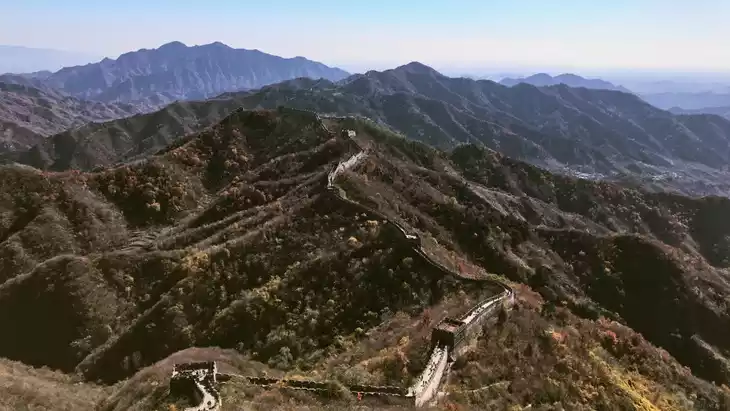
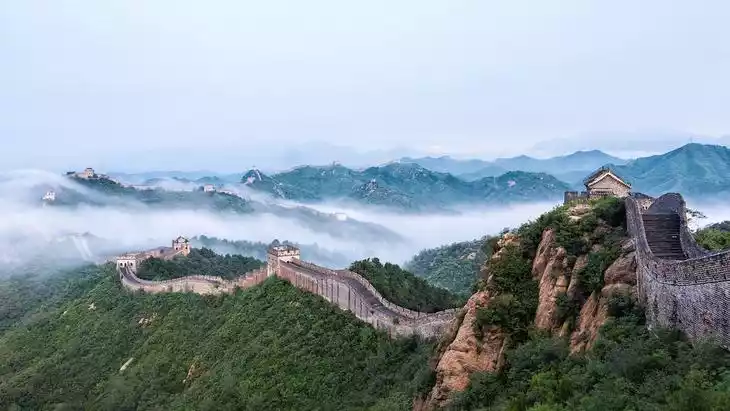
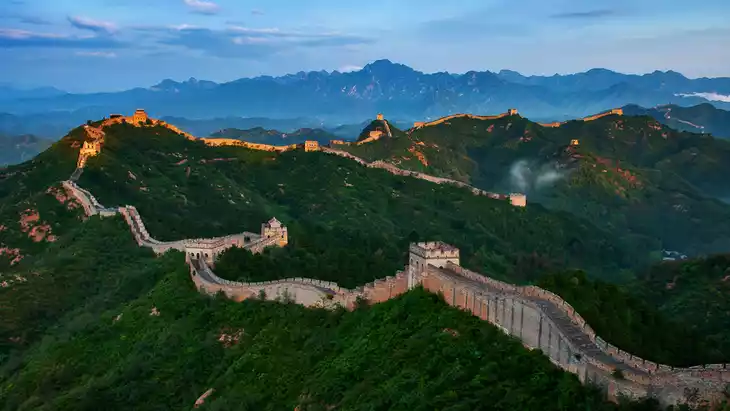
3rd day – Badaling Great Wall then back to the same place for dinner, the duck was as good as the previous day.
4th day - Mutianyu Great Wall then to Da Dong Wangfujing for dinner, the duck was good too, but they only serve the whole duck at RMB398 each. I paid for the whole duck and asked them to serve half a duck.
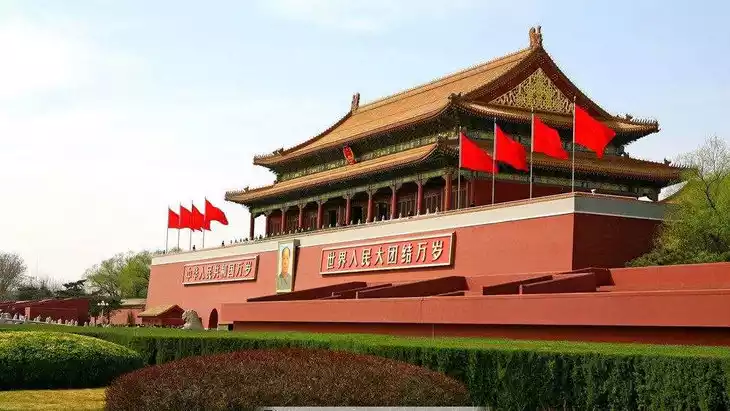
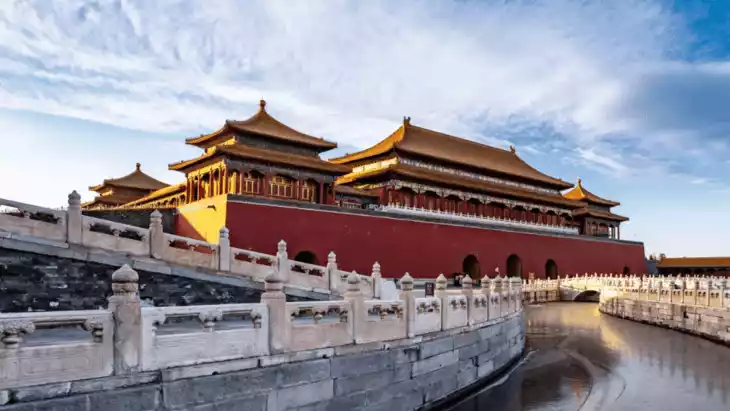
5th day – Forbidden city then to Da Dong again and ordered the smaller duck at the same price RMB398 each, same request, to serve half a duck, tasted just okay, not worth it, meat too thin.
6th day - filled up the health declaration form and go home.
During these few days the weather was great with good air quality, no pollution at all.
Cash is still widely accepted in Beijing, especially at traditional restaurants, markets, small shops, and for street food. While mobile payment methods like AliPay and WeChat Pay are extremely popular and convenient, you can comfortably travel and pay using cash, especially as a budget traveler.
Here is a detailed overview based on a recent six-day trip to Beijing:
- Arrival: Fill out the electronic health declaration form and paper arrival card at the airport. Purchase a Subway card at the Airport Express entrance with a RMB 20 deposit, which can be topped up as needed.
- Transport: The Subway system is easy to use, with announcements and signage in both Chinese and English. Cash can be used to buy tickets at machines or top up cards at the counters.
- Dining: Peking duck is widely available in Beijing. For example, at Quanjude in Qianmen, a half duck costs around RMB 168, with tender and tasty meat. At Da Dong Wangfujing, a whole duck costs RMB 398, but some restaurants may allow ordering half portions for the same price with varying satisfaction.
- Tourist Sites: Popular destinations include Badaling and Mutianyu sections of the Great Wall, as well as the Forbidden City. Entrance tickets at these sites can generally be paid with cash.
- Weather and Air Quality: During this visit, the weather was great and the air quality was good with no noticeable pollution, making sightseeing very comfortable.
Tips for budget travelers using cash in Beijing:
- Carry small denominations for taxis, street food, and local markets.
- At restaurants, especially high-end ones, confirm whether cash is accepted; many accept both cash and mobile payments.
- Subway and bus fares are typically low, and cash is easy to use at ticket counters.
- Keep your cash in a secure wallet, as busy tourist areas can be crowded.
Overall, using cash in Beijing is perfectly feasible for a budget-friendly and flexible travel experience. Mobile payments offer extra convenience, but cash allows you to control spending and can be especially useful in traditional shops and eateries.
More Beijing Travel Questions
- Flight price help
- 10 days within 4/5 hours of Beijing.
- Forbidden City or Temple of Heaven
- Visit the Great Hall of the People and MaozheDong Memorial
- Advice on 3-Day Beijing Itinerary During Labour Day Holidays
- Transit Without Visa (TWOV) process at airport
- More than 24Hrs. layover in Beijing?
- 1 day driver
- Useful apps for holiday in China this week
- The Great Wall Night time
- Happy Valley - opening hours
The attractions mentioned in this question

Popular Destinations

Popular Travel Questions
- April 17th through Easter sunday
- Car Hire
- Visit the Great Hall of the People and MaozheDong Memorial
- Motorcycle Ride in and Park and Walk
- scenic drive / nature in June
- White House Ruins trail open? 4 hour tour alternative?
- Other Excursions
- Stores
- Must try restaurants near Melbourne/Satellite Beach
- Brewey
- Florist
- How do I arrange a taxi or a tour guide?