
Beaches outside of Waikiki early April; Legal vs non legal
My wife and I (mid 60s) will be making our first trip to Hawaii late March/early April. Our original plan was to visit three islands over the course of 24 days--Maui, Big Island, and Kauai. Initially we hadn't considered going to Oahu because it seemed that most of the activity would be centered around Honolulu and Waikiki which seemed very urban, with lots of high rises. We are really more interested in a quieter, more laid back type of experience.
However, as I have been doing more trip research, I've discovered there's a lot more to Oahu than Honolulu and there are a couple of activities that seem really cool and 'bucket-list" like snorkeling with sharks in Haleiwia. Also as someone who has played ukulele for about 15 years, I'm hoping to purchase a higher end, Hawaiian made uke as a memento of the trip and it seems that Oahu has the shops with the best selection of these kinds of instruments. That said, I'm exploring the possibility of adding a couple of days and maybe making adjustments to the time spent on the other islands to carve out 4-5 days on Oahu.
Looking for suggestions of places to stay outside of Waikiki with a nice quiet swimmable beach in early April. Like I said, I've never been to Hawaii, but from everything I've read, it appears that beaches on the north and west shores can get very rough in the winter. While things might calm down a little by April, chances are the water still wouldn't be calm enough for a comfortable swim. (Though a swim for us means primarily sunbathing on the beach and going in for a dip for a few minutes to cool off). What areas should I look into and which should I avoid?
Also, our preferred accommodation style is Airbnb/VRBO vacation rentals. There seems to be a lot is discussion about legal vs non-legal short term rentals. Trying to educate myself on this issue. How can you tell if a rental is legal? What exactly is the impact to the renter if it is not "legal" ? I noticed a few rentals I looked into required a 30 day rental in the description, yet my dates for 4 or 5 days were available.
While I'm still not crazy about the idea of staying in a more urban, high rise environment like Waikiki, I'm not completely opposed either especially since we'll be visiting different islands and staying in a variety of places. I know Waikiki is big--is there a certain area I should look into for good, easy beach access? Thanks for any insight you can provide...
It sounds like you’re planning a wonderful trip, and it’s great that you’re considering Oahu in your itinerary! It’s a diverse island, with a mix of urban excitement and peaceful retreats, so I think you’ll find plenty of options for a quieter experience. Let’s dive into your questions:
Beaches outside of Waikiki
You're right that the North Shore and West Shore can have rough surf in the winter, but by April, the conditions usually start to calm down, making it a great time to visit those areas. For quiet, swimmable beaches, here are a few spots you should consider:
- Ko Olina (West Oahu): This area has calm, beautiful lagoons that are perfect for swimming and lounging in the sun. It’s a quieter, resort-style location with several nice beaches, including Lagoon 1, 2, and 3. It’s also home to a few luxurious resorts but doesn’t feel as crowded as Waikiki.
- Makaha Beach (West Oahu): A bit further from Honolulu, Makaha Beach is a local favorite, offering a peaceful atmosphere with calm waters, especially during the spring. It’s also one of the most scenic spots on Oahu with its clear, turquoise water and surrounding mountains.
- Waimanalo Beach (East Oahu): This is one of Oahu’s most beautiful and quiet beaches, with long stretches of soft sand and calm waters. It’s perfect for a relaxing beach day and definitely less crowded than the more tourist-heavy areas.
- Lanikai Beach (East Oahu): Known for its stunning beauty and crystal-clear waters, Lanikai is perfect for a quiet swim and sunbathe. The beach is not too crowded, and it’s relatively peaceful for relaxation.
- Kailua Beach (East Oahu): Kailua is often a bit more active than Waimanalo, but it still offers calm waters for swimming and a laid-back vibe. It's also known for its beautiful setting with palm trees and scenic views of nearby islands.
These beaches will give you the serenity you're looking for, and you won’t have to deal with the crowds that tend to flock to Waikiki. Since you're staying for a few days, a stay on the East or West side of the island might be more to your liking, especially if you’re hoping to avoid the busy atmosphere of Honolulu.
Legal vs. Non-Legal Rentals
Regarding the legal status of vacation rentals, Oahu has regulations in place that restrict short-term rentals in residential areas, especially those lasting less than 30 days. Here's what you need to know:
- Legal Rentals: A legal short-term rental in Oahu is typically required to be in a resort zone or specific permitted areas. They must comply with the city’s zoning laws and register with the Department of Planning and Permitting (DPP). You can look for units that are registered or listed with a registration number (usually found in the listing description).
- Non-Legal Rentals: A non-legal rental is one that doesn't meet the required criteria, such as being in a residential area that isn’t zoned for short-term vacation rentals. Renting one of these properties could potentially lead to fines or issues with your host, though guests are typically not held liable. However, the risk is higher if the rental is found to be operating outside the law.
- How to Identify Legal Rentals: Look for the registration number in the rental listing or ask the host for proof of registration. If the listing mentions that it is legally registered with the city or includes a DPP permit number, that’s a good sign. You can also double-check on the city's website to confirm the rental’s status.
- Impact of Non-Legal Rentals: The main risk of booking a non-legal rental is that it could be shut down during your stay, and you may need to find alternative accommodation at the last minute. In some cases, hosts might charge a higher rate to compensate for the non-legal status, which could mean additional costs for you.
Accommodation in Waikiki
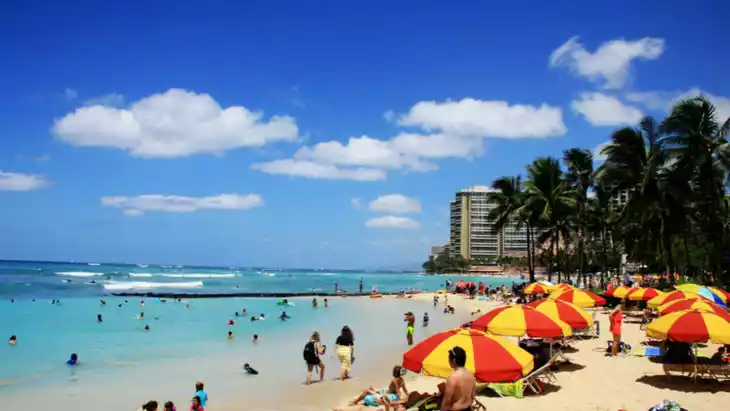
While you’re not fond of staying in Waikiki, if you do end up there, it’s worth knowing that Waikiki is large and there are quieter areas where you can enjoy easy beach access without the bustling crowds. If you’re willing to compromise a bit on the urban feel, here are a few tips:
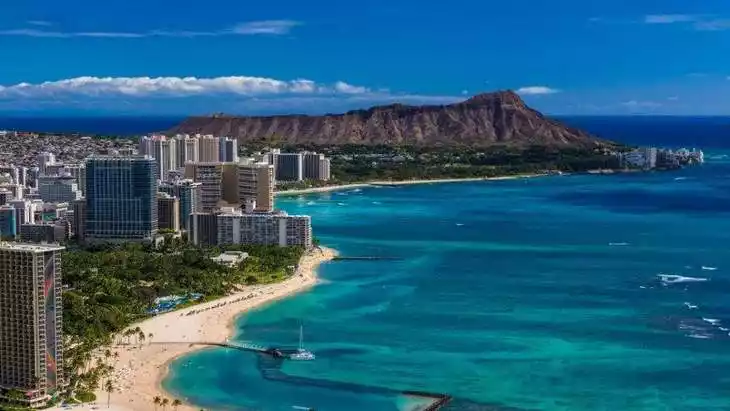
- Stay on the Diamond Head side of Waikiki: The area closer to Diamond Head, particularly around the Kaimana Beach area, is quieter and less commercial. You can still walk to restaurants and shops, but it’s less busy than the main central area of Waikiki.
- Waikiki Beach Walk Area: If you want to be near the water but avoid the congestion of the main Waikiki strip, consider staying in the Waikiki Beach Walk area. It’s close to the beach but offers a more relaxed vibe with less foot traffic.
- Look for Rentals with Beach Access: Many vacation rentals in Waikiki offer easy access to the beach without being in the heart of the high-rise district. Look for properties that are within walking distance of the beach but further away from the large resorts for a quieter experience.
Ultimately, Oahu has a lot to offer beyond Honolulu, and with careful planning, you can enjoy the best of both worlds—quiet, relaxing beaches and the excitement of visiting places like Haleiwa and ukulele shops. Enjoy your trip!
More Oahu Travel Questions
- Itinerary questions
- Lanikai Feb/March/April
- Waikiki recs for visitors needing kitchen facilities
- North shore or Windward?
- snorkeling at sharks cove
- Sports bars near Waianae on Oahu?
- Visiting with senior -- how to tour Waikiki/Honolulu?
- New Years Eve
- bus 20 to wakiki beach hotel
- First time to north shore help
- Island tour
- Luaus
The attractions mentioned in this question






Popular Destinations


Popular Travel Questions
- VNP with mobility limitations
- Making My Daughter's 11th Birthday Special in Florida!
- Family Trip in April w/7 y.o.
- Fat Clemenza’s
- Lassen Volcanic park
- public bus
- Is train station safe for teen during the day?
- 30th Birthday Celebration
- Which place would be preferred?
- Off shore snorkeling
- Itinerary advice
- Are there any deep sea fishing boats.for non-groups?